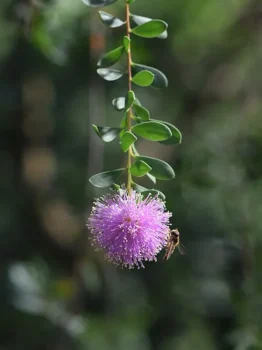
Melaleuca nesophila: The Mysterious Melaleuca
If you’ve stumbled across the name Melaleuca nesophila in your plant research, you’re not alone in wondering what exactly this species is all about. This particular member of the Melaleuca family is something of an enigma in the gardening world, with limited information readily available to home gardeners.
What We Know About Melaleuca nesophila
Melaleuca nesophila belongs to the Melaleuca genus, which is part of the myrtle family (Myrtaceae). The Melaleuca genus is primarily known for species native to Australia, though without specific documentation, we cannot definitively state the native range or status of this particular species.
As a dicot plant, Melaleuca nesophila would typically develop two seed leaves upon germination and have a network of veins in its leaves, characteristics shared with many flowering plants.
The Challenge of Limited Information
Here’s where things get tricky for gardeners: comprehensive growing information for Melaleuca nesophila is surprisingly scarce. Unlike its better-known cousins like Melaleuca alternifolia (tea tree) or Melaleuca quinquenervia, this species doesn’t have the wealth of cultivation guides and growing tips that make plant selection easy.
Should You Plant Melaleuca nesophila?
Without clear information about this plant’s characteristics, we can’t provide specific recommendations about whether it would be a good fit for your garden. Here’s what we’d need to know to make an informed decision:
- Native status and geographic origin
- Growth habits and mature size
- Preferred growing conditions
- Hardiness zones
- Potential invasive tendencies
- Wildlife and pollinator benefits
Alternative Melaleuca Options
If you’re interested in growing a Melaleuca species, consider these better-documented alternatives:
- Melaleuca alternifolia – The famous tea tree with aromatic leaves
- Melaleuca bracteata – Black tea tree with distinctive white flowers
- Melaleuca linariifolia – Snow-in-summer with beautiful white bottlebrush flowers
Before You Plant
If you do encounter Melaleuca nesophila available for purchase, we strongly recommend:
- Verifying the plant’s identification with the supplier
- Asking about its native range and growing requirements
- Checking with local extension offices about its suitability for your region
- Confirming it’s not listed as invasive in your area
The world of native plants is vast and fascinating, but sometimes we encounter species like Melaleuca nesophila that remind us there’s still much to learn. When in doubt, stick with well-documented native plants that you know will thrive in your garden and support local ecosystems. Your local native plant society or extension office can point you toward tried-and-true options that will bring both beauty and ecological benefits to your landscape.