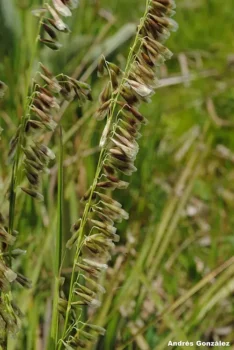
Melica hyalina: The Mystery Grass That’s Hard to Pin Down
If you’ve stumbled across the name Melica hyalina in your plant research, you’re probably scratching your head right about now. Don’t worry – you’re not alone in feeling a bit puzzled by this elusive grass species.
What We Know (And What We Don’t)
Melica hyalina belongs to the fascinating world of grasses, specifically the Melica genus within the Poaceae family. These are true grasses, not just grass-like plants, and they’re part of the monocot group that includes many of our familiar lawn and ornamental grasses.
Here’s where things get tricky, though: reliable information about Melica hyalina specifically is surprisingly scarce. While the Melica genus includes several well-documented species of ornamental and native grasses, this particular species seems to fly under the radar in most standard botanical references and gardening resources.
The Challenge for Gardeners
Without clear information about its native range, growing requirements, or even basic characteristics like size and appearance, recommending Melica hyalina for your garden becomes quite the challenge. We don’t know:
- Where this grass naturally occurs
- What growing conditions it prefers
- How large it gets or what it looks like
- Whether it’s suitable for typical garden settings
- Its hardiness zones or climate requirements
A Safer Alternative Approach
If you’re interested in Melica grasses for your garden, you might want to consider some of the better-documented species in this genus instead. Many Melica species are lovely ornamental grasses that offer graceful texture and movement to landscape designs.
Before pursuing any plant with limited documentation, it’s wise to:
- Verify the plant’s identity with local botanical experts
- Ensure you’re sourcing from reputable nurseries
- Research whether better-known alternatives might meet your needs
- Check with your local extension office about suitable grass options for your area
The Bottom Line
While the mystery surrounding Melica hyalina is certainly intriguing, the lack of available growing information makes it difficult to recommend for most gardening situations. Sometimes the most responsible gardening advice is to acknowledge when we simply don’t have enough reliable information to guide you properly.
If you’re drawn to ornamental grasses, consider exploring well-documented native grass species in your area instead. Your local native plant society or extension office can point you toward grasses that will thrive in your specific location while supporting local ecosystems – and you’ll have plenty of reliable growing information to ensure your success!