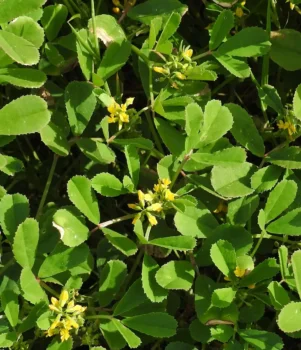
Melilotus siculus: A Mediterranean Sweet Clover Worth Knowing
If you’ve stumbled across the name Melilotus siculus in your plant research adventures, you might be wondering what exactly this little-known member of the legume family has to offer. Sometimes listed under its synonym Melilotus messanensis, this Mediterranean native is one of those plants that flies under the radar in most gardening circles—but that doesn’t mean it’s without merit.
What is Melilotus siculus?
Melilotus siculus is a species of sweet clover that hails from the Mediterranean region, with strong ties to Sicily and southern Italy. Like its more famous cousins in the Melilotus genus, this plant produces the characteristic small yellow flowers arranged in slender, spike-like clusters that sweet clovers are known for.
Where Does It Come From?
This species calls the Mediterranean basin home, thriving in the warm, dry conditions that characterize this region. Its natural habitat includes rocky slopes, disturbed soils, and coastal areas where many plants would struggle to establish themselves.
Should You Grow Melilotus siculus?
Here’s where things get interesting—and a bit complicated. While this plant isn’t widely available in the nursery trade, it might appeal to gardeners with specific interests:
- Mediterranean garden enthusiasts looking for authentic regional flora
- Pollinator gardeners seeking diverse nectar sources for bees
- Naturalistic landscapers creating wild or meadow-style plantings
- Plant collectors interested in unusual legumes
However, before you get too excited, it’s worth noting that information about this plant’s behavior outside its native range is limited. If you’re gardening in North America, you might want to consider native alternatives that offer similar benefits with known growing characteristics.
Growing Conditions and Care
If you do decide to try growing Melilotus siculus, here’s what it likely prefers based on its Mediterranean origins:
- Sunlight: Full sun exposure
- Soil: Well-draining, lean soils (avoid rich, heavy clay)
- Water: Drought tolerant once established; minimal watering needed
- Climate: Best suited for USDA zones 8-10, or areas with Mediterranean-type climates
Planting and Maintenance
Like most legumes, Melilotus siculus is likely quite low-maintenance once established. The plant probably fixes nitrogen in the soil through its root nodules, making it potentially useful for improving soil fertility in poor conditions. Seeds would likely be direct-sown in fall or early spring, and the plant may self-seed in favorable conditions.
Pollinator and Wildlife Benefits
The small yellow flowers should provide nectar for bees and other small pollinators, continuing the sweet clover family’s reputation as bee-friendly plants. However, specific wildlife relationships for this particular species aren’t well-documented in gardening literature.
The Bottom Line
Melilotus siculus represents one of those botanical curiosities that might intrigue specialty gardeners but isn’t likely to become a mainstream landscape plant. If you’re in a Mediterranean climate zone and can source seeds responsibly, it could be an interesting addition to a naturalistic planting. However, for most gardeners, exploring native alternatives that provide similar pollinator benefits and drought tolerance might be the more practical choice.
Whether you’re drawn to its Mediterranean heritage or simply curious about expanding your plant palette, Melilotus siculus reminds us that there’s always something new to discover in the vast world of plants—even if it’s not destined for every garden.