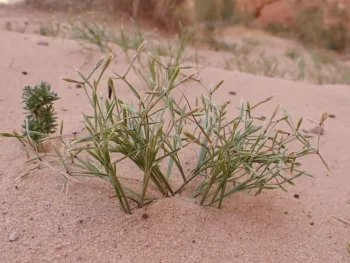
Memphisgrass: A Mediterranean Annual for Dry Gardens
If you’re looking for a low-maintenance grass that thrives in dry conditions, you might have stumbled across Memphisgrass (Cutandia). This delicate annual grass brings a touch of Mediterranean charm to gardens, though it comes with some important considerations for the environmentally-conscious gardener.
What is Memphisgrass?
Memphisgrass is a fine-textured annual grass that belongs to the Poaceae family. As its name suggests, this grass has a delicate, almost ephemeral quality that can add subtle texture to garden spaces. Unlike perennial grasses that return year after year, Memphisgrass completes its entire life cycle in one growing season.
Native Status and Distribution
Here’s where things get interesting – Memphisgrass isn’t actually native to North America. This Mediterranean native has made its way to California, where it now reproduces spontaneously in the wild. While it’s established itself in the Golden State, it’s important to understand that you’re introducing a non-native species to your garden ecosystem.
Currently, Memphisgrass is found growing in California, where it has adapted to the Mediterranean-like climate conditions.
- Species observed
- No observations
Should You Plant Memphisgrass?
The decision to plant Memphisgrass depends on your gardening goals and environmental priorities. Here are some factors to consider:
Potential Benefits:
- Extremely drought tolerant once established
- Requires minimal maintenance
- Self-seeding annual provides natural succession
- Fine texture adds delicate interest to dry garden areas
- Well-suited for Mediterranean-style landscaping
Considerations:
- Non-native species that may not support local wildlife as effectively as native alternatives
- Limited pollinator benefits due to wind pollination
- May naturalize beyond intended garden areas
Native Alternatives to Consider
If you’re committed to supporting local ecosystems, consider these native grass alternatives that offer similar drought tolerance:
- Purple needlegrass (California’s state grass)
- Buffalo grass for warmer regions
- Blue grama grass
- Little bluestem
Growing Conditions and Care
If you decide to grow Memphisgrass, you’ll be pleased to know it’s refreshingly low-maintenance. This grass thrives in USDA hardiness zones 8-11, making it suitable for warmer climates.
Preferred Growing Conditions:
- Sunlight: Full sun
- Soil: Well-draining, dry soils
- Water: Drought tolerant once established
- Climate: Mediterranean-type climates
Planting and Care Tips
Growing Memphisgrass is surprisingly straightforward, though timing is everything with this annual grass.
Planting:
- Sow seeds in fall for spring germination
- Scatter seeds over prepared soil surface
- Lightly rake to ensure soil contact
- Water gently until germination occurs
Ongoing Care:
- Minimal watering needed after establishment
- No fertilization required
- Allow plants to self-seed for natural renewal
- Remove excess seedlings if naturalization becomes problematic
Landscape Uses
Memphisgrass works best in naturalized settings where its delicate texture can shine without competing with more robust plants. Consider using it in:
- Mediterranean-themed garden areas
- Dry slopes and hillsides
- Naturalized meadow areas
- Water-wise landscape designs
The Bottom Line
Memphisgrass offers an easy-care option for gardeners in suitable climates who appreciate subtle, fine-textured grasses. While it’s not native to North America, it’s not currently listed as invasive either. If you choose to grow it, monitor its spread and consider pairing it with native plants to support local wildlife. For the most environmentally beneficial garden, native grass alternatives will always be the gold standard for supporting local ecosystems.
Remember, the best garden is one that reflects both your aesthetic preferences and your environmental values – and sometimes that means making thoughtful compromises along the way.