Mentha ×rotundifolia: The Fuzzy-Leaved Mint That’s Taking Over Gardens
If you’ve ever stumbled across a mint plant with unusually soft, rounded leaves that smell faintly of green apples, you’ve likely encountered Mentha ×rotundifolia, commonly known as apple mint or round-leaved mint. This perennial herb has been quietly establishing itself across American gardens, and for good reason – it’s practically bulletproof to grow and offers a delightful twist on the typical mint experience.
What Exactly Is Apple Mint?
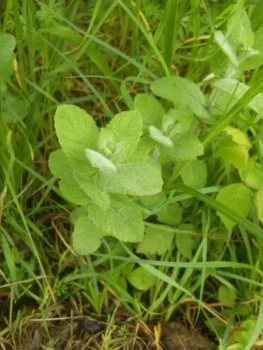
Apple mint is a hybrid mint species that originated in Europe and western Asia. Unlike its sharp-edged cousins, this mint sports distinctively rounded, fuzzy leaves that feel almost velvety to the touch. The × in its botanical name indicates it’s a hybrid, which explains why it combines the best traits of its parent plants into one remarkably adaptable package.
As a perennial forb (that’s garden-speak for a non-woody herbaceous plant), apple mint dies back in winter but returns reliably each spring, often with a vengeance. It’s what botanists call a facultative plant, meaning it’s equally happy in wet or dry conditions – a trait that has helped it establish across 26 states, from Maine to Texas and everywhere in between.
- Species observed
- No observations
Why Gardeners Love (and Sometimes Regret) Growing Apple Mint
Apple mint brings several appealing qualities to the garden:
- Aromatic appeal: The leaves release a pleasant apple-mint fragrance when brushed or crushed
- Culinary versatility: Perfect for teas, fruit salads, and Middle Eastern dishes
- Pollinator magnet: Small white or pink flower spikes attract bees, butterflies, and other beneficial insects
- Nearly indestructible: Thrives in USDA zones 3-9 and tolerates a wide range of conditions
- Soft texture: The fuzzy leaves add interesting textural contrast to garden beds
However, there’s a catch that every gardener should know: apple mint is an enthusiastic spreader. It reproduces by underground runners and can quickly colonize large areas if left unchecked.
Growing Apple Mint Successfully (Without Letting It Take Over)
Ideal Growing Conditions
Apple mint is refreshingly unfussy about its living arrangements. It performs best in:
- Partial shade to full sun (though it appreciates afternoon shade in hot climates)
- Moist, well-drained soil of almost any type
- Areas with consistent moisture, though it tolerates some drought once established
Planting and Care Tips
Containment is key: Plant apple mint in containers, raised beds with barriers, or areas where spreading won’t be problematic. Many gardeners sink large pots into the ground to limit root spread.
Water regularly: While adaptable to various moisture levels, apple mint performs best with consistent watering, especially during hot summer months.
Harvest frequently: Regular picking encourages fresh growth and prevents the plant from becoming too woody. Don’t be shy – mint loves being cut back.
Winter care: In most climates, simply cut stems back to ground level after the first hard frost. The roots will survive winter and emerge again in spring.
Garden Design Ideas
Apple mint works beautifully in:
- Herb gardens alongside other culinary plants
- Cottage-style gardens for a casual, naturalized look
- Container gardens on patios or decks
- Rain gardens or areas with variable moisture
- Pollinator gardens as a nectar source
A Word About Native Alternatives
While apple mint is a delightful garden addition, it’s worth noting that this European native has naturalized widely across the United States. If you’re interested in supporting local ecosystems, consider these native alternatives that offer similar benefits:
- Wild bergamot (Monarda fistulosa): Native mint-family plant with showy flowers
- American wild mint (Mentha arvensis): North America’s only native mint species
- Mountain mint (Pycnanthemum species): Excellent native pollinator plants with minty fragrance
The Bottom Line
Mentha ×rotundifolia is a garden-worthy plant that brings aromatic leaves, pollinator benefits, and culinary possibilities to any landscape. Its adaptability and vigorous growth make it perfect for beginning gardeners or anyone wanting a low-maintenance herb. Just remember to give it boundaries – this mint definitely believes that good fences make good neighbors!
Whether you’re brewing afternoon tea, creating a pollinator haven, or simply want a fragrant ground cover that thrives on neglect, apple mint delivers. Just plant it with intention, and you’ll enjoy its apple-scented gifts for years to come.