Mesquite: A Drought-Tolerant Shrub for Water-Wise Gardens
If you’re looking for a tough, drought-tolerant plant that can handle challenging conditions, mesquite (Prosopis juliflora) might catch your attention. This hardy perennial shrub has made its way from its native Central and South American home to various parts of the world, including Hawaii, where it has established itself quite successfully.
What is Mesquite?
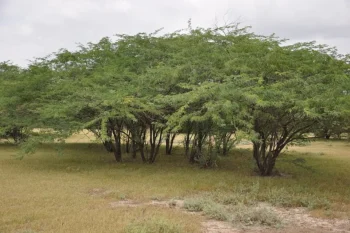
Mesquite is a multi-stemmed woody shrub that typically grows to about 13-16 feet in height, though it can sometimes reach greater heights or develop a more tree-like form depending on growing conditions. Its feathery, bipinnate leaves give it a delicate appearance that contrasts nicely with its tough nature. During blooming season, the plant produces small clusters of yellow flowers that eventually develop into distinctive long seed pods.
Where Does Mesquite Grow?
While mesquite is native to Central and South America, particularly Mexico and northern South America, it has been introduced to Hawaii, where it now grows and reproduces on its own. In Hawaii, you’ll find it thriving in upland areas, as it prefers well-draining, non-wetland conditions.
- Species observed
- No observations
Garden Appeal and Landscape Uses
Mesquite offers several attractive qualities for the right garden setting:
- Exceptional drought tolerance once established
- Feathery foliage provides interesting texture
- Yellow flower clusters add seasonal color
- Can serve as a windbreak or erosion control plant
- Works well as a specimen plant in xerophytic gardens
This shrub is particularly well-suited for desert landscapes, water-wise gardens, and areas where you need a tough plant that can handle neglect. Its pollinator-friendly flowers attract bees and other beneficial insects, making it a functional choice for supporting local wildlife.
Growing Conditions and Care
Mesquite thrives in USDA hardiness zones 9-11 and prefers:
- Full sun exposure
- Well-draining soil (it doesn’t like wet feet)
- Minimal water once established
- Hot, dry conditions
When first planting mesquite, provide deep, infrequent watering to help establish a strong root system. Once established, this plant is remarkably low-maintenance and can survive on natural rainfall in most areas. You may need occasional pruning to control its growth and shape, especially if you want to maintain it as a shrub rather than letting it develop into a small tree.
Important Considerations
Before planting mesquite, it’s important to know that this is a non-native species that has been introduced to areas outside its natural range. While it can be a valuable addition to water-wise gardens, consider exploring native alternatives that might provide similar benefits while supporting local ecosystems. Native plants are typically better adapted to local conditions and provide more comprehensive support for native wildlife.
If you’re in Hawaii or other areas where mesquite grows, research native drought-tolerant shrubs that might serve similar purposes in your landscape design. Your local native plant society or extension office can provide excellent recommendations for indigenous alternatives.
The Bottom Line
Mesquite is undeniably tough and can be an asset in challenging growing conditions where few other plants will thrive. Its drought tolerance and low-maintenance nature make it appealing for water-wise gardening. However, as with any non-native plant, it’s worth considering native alternatives first. If you do choose to plant mesquite, you’ll have a hardy, attractive shrub that can handle whatever Mother Nature throws its way – just be prepared for its strong-willed, independent personality!