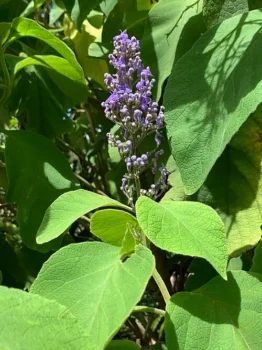
Mexican-Blue: A Tropical Shrub for Florida Gardens
If you’re looking to add some exotic flair to your Florida landscape, you might have stumbled across Mexican-blue (Cornutia grandiflora). This perennial shrub brings a touch of tropical charm to warm-climate gardens, though there are some important considerations before adding it to your plant wish list.
What Is Mexican-Blue?
Mexican-blue is a multi-stemmed woody shrub that typically stays under 13-16 feet tall, making it a manageable size for most residential landscapes. Like most shrubs, it develops several stems from or near ground level, creating a full, bushy appearance that can serve various roles in your garden design.
Native Status and Distribution
Here’s where things get interesting: while its common name suggests Mexican origins, Cornutia grandiflora is actually classified as a non-native species in the United States. It has established itself in Florida, where it reproduces spontaneously in the wild without human intervention. This means it’s quite capable of surviving and thriving in Florida’s climate conditions.
- Species observed
- No observations
Should You Plant Mexican-Blue?
The decision to plant Mexican-blue comes down to your gardening philosophy and local priorities. Since it’s non-native but not currently listed as invasive, it sits in that gray area where personal preference plays a big role.
Reasons you might choose it:
- Adapted to Florida’s climate and proven to thrive
- Adds exotic appeal to tropical garden designs
- Low-maintenance once established
- Perennial nature means long-term garden presence
Reasons you might skip it:
- Doesn’t support native wildlife ecosystems
- Takes up space that could go to native alternatives
- Limited information available about long-term behavior
Native Alternatives to Consider
If you’re leaning toward supporting local ecosystems, Florida offers plenty of gorgeous native shrubs that provide similar ornamental value while supporting local wildlife. Consider firebush (Hamelia patens), wild coffee (Psychotria nervosa), or beautyberry (Callicarpa americana) as alternatives that offer beautiful flowers or berries plus ecological benefits.
Growing Mexican-Blue Successfully
If you decide to give Mexican-blue a try, here’s what you need to know about keeping it happy:
Climate Requirements: This shrub is suited for warm, subtropical climates like those found in South Florida. It’s likely hardy in USDA zones 9-11, though specific cold tolerance information is limited.
Garden Style: Mexican-blue works best in tropical or subtropical landscape designs where its exotic appearance fits the overall theme. It can serve as a specimen plant, hedge component, or background shrub depending on your design goals.
Care and Maintenance
While specific growing requirements for Cornutia grandiflora are not well-documented, its successful establishment in Florida suggests it’s relatively adaptable. As with most tropical shrubs, provide regular water during establishment and ensure good drainage to prevent root problems.
Since detailed care information is limited, start with basic shrub care principles: plant in well-draining soil, provide regular water until established, and monitor for any signs of stress or unusual spreading that might indicate aggressive growth patterns.
The Bottom Line
Mexican-blue represents an interesting case study in non-native plants that have found their niche in Florida landscapes. While it’s not inherently problematic, the limited information available about its specific needs and long-term behavior means you’re taking on a bit of an experimental plant. Whether that appeals to your gardening spirit or sends you running toward better-documented natives is entirely up to you!