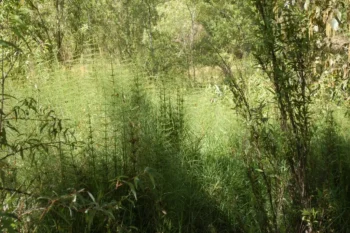
Mexican Giant Horsetail: A Prehistoric Wetland Wonder for Your Garden
Meet the Mexican giant horsetail (Equisetum myriochaetum), a fascinating living fossil that brings ancient charm to modern wetland gardens. This perennial member of the horsetail family offers gardeners a unique opportunity to grow a plant whose ancestors shared the earth with dinosaurs millions of years ago.
What Makes Mexican Giant Horsetail Special?
As a forb – essentially a non-woody plant that lacks significant thickening from secondary growth – Mexican giant horsetail stands out with its distinctive segmented stems and primitive appearance. Unlike flowering plants, horsetails reproduce through spores rather than seeds, making them botanical curiosities that spark conversation in any garden setting.
Where Does It Come From?
While specific distribution information for Equisetum myriochaetum is limited in available botanical databases, the name suggests Mexican origins. However, gardeners should verify the native status and natural range before planting, as horsetail species can vary significantly in their native territories and growing requirements.
Is Mexican Giant Horsetail Right for Your Garden?
This plant is definitely not for every garden situation. Mexican giant horsetail is classified as an obligate wetland species in the Arid West region, meaning it almost always occurs in wetlands. This makes it a specialist plant with very specific growing needs.
Perfect for:
- Bog gardens and wetland restorations
- Pond edges and water features
- Rain gardens in consistently moist areas
- Educational gardens showcasing prehistoric plants
Not suitable for:
- Traditional perennial borders
- Dry or drought-tolerant landscapes
- Container growing (unless constantly saturated)
- Areas where water levels fluctuate dramatically
Growing Conditions and Care
Success with Mexican giant horsetail depends entirely on meeting its moisture requirements. As an obligate wetland plant, it needs consistently saturated or very wet soil conditions to thrive.
Essential Growing Requirements:
- Moisture: Constantly wet to saturated soil
- Soil: Tolerates various soil types as long as they remain wet
- Light: Likely adaptable to various light conditions (research needed for specifics)
- Hardiness: Information not readily available – consult local experts
A Word of Caution
Before adding Mexican giant horsetail to your garden, it’s important to note that comprehensive information about this specific species is limited in standard botanical resources. Additionally, some horsetail species can be aggressive spreaders or have unclear native status in various regions.
We recommend:
- Consulting with local native plant societies about its status in your area
- Verifying it’s not considered invasive in your region
- Starting with small quantities to observe its behavior
- Considering better-documented native wetland alternatives if you’re unsure
Wildlife and Ecosystem Benefits
While specific wildlife benefits for Equisetum myriochaetum aren’t well-documented, horsetails generally provide habitat structure in wetland environments and may offer shelter for small wildlife and beneficial insects in bog and pond ecosystems.
The Bottom Line
Mexican giant horsetail is a plant for dedicated wetland gardeners and botanical enthusiasts rather than casual gardeners. Its obligate wetland status means it requires specialized growing conditions that most home gardens can’t provide. If you have a consistently wet area and want to experiment with prehistoric plants, this could be an interesting addition – but proceed with proper research and caution.
For most gardeners interested in unique, water-loving plants, well-documented native wetland species specific to your region will be safer, more sustainable choices that provide known benefits to local ecosystems.