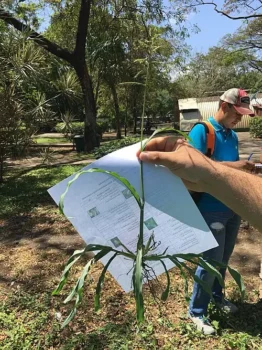
Mexican Grass: A Tropical Annual for Warm Climate Gardens
If you’re looking for a low-maintenance grass that thrives in warm climates, Mexican grass (Ixophorus unisetus) might catch your eye. This annual grass species brings a delicate, naturalized look to landscapes, though it comes with some considerations that gardeners should understand before planting.
What is Mexican Grass?
Mexican grass is an annual grass species that belongs to the Poaceae family. Also known scientifically as Ixophorus unisetus (and formerly classified as Urochloa uniseta), this fine-textured grass completes its entire life cycle within one growing season. As its common name suggests, this species originally hails from Central and South America, particularly Mexico.
Where Does Mexican Grass Grow?
Currently in the United States, Mexican grass has established itself in Hawaii, where it has naturalized and reproduces on its own without human intervention. This non-native species has adapted well to the tropical climate and can persist in the wild.
- Species observed
- No observations
Should You Plant Mexican Grass?
The decision to plant Mexican grass comes with some important considerations. While this species isn’t currently listed as invasive or noxious, it is non-native and has shown the ability to establish and spread naturally in Hawaii. Here are the key factors to weigh:
Potential Benefits:
- Low maintenance annual grass
- Drought tolerant once established
- Fine texture adds visual interest
- Good for erosion control on slopes
- Self-seeding for naturalized areas
Considerations:
- Non-native species that can naturalize
- Limited wildlife and pollinator benefits
- May compete with native plants
- Annual lifecycle means replanting or allowing self-seeding
Native Alternatives to Consider
Before choosing Mexican grass, consider exploring native grass options for your region. Native grasses provide better wildlife habitat, support local ecosystems, and are naturally adapted to your local growing conditions. Consult with your local native plant society or extension office for recommendations specific to your area.
Growing Mexican Grass Successfully
If you decide to grow Mexican grass, here’s what you need to know about keeping it happy:
Growing Conditions
- Sunlight: Full sun for best growth
- Soil: Well-draining soils; adaptable to various soil types
- Water: Drought tolerant once established, but appreciates regular water during germination
- Climate: USDA hardiness zones 9-11 (tropical and subtropical regions)
Planting and Care Tips
Mexican grass is refreshingly easy to grow, making it suitable for beginning gardeners:
- Direct seed in spring after the last frost
- Scatter seeds lightly over prepared soil
- Keep soil moist until germination occurs
- Once established, minimal care is needed
- Allow plants to self-seed for continuous coverage, or collect seeds for controlled replanting
Landscape Uses
Mexican grass works well in several landscape applications:
- Naturalized meadow areas
- Xerophytic or drought-tolerant gardens
- Slope stabilization projects
- Informal border plantings
- Areas where low-maintenance ground cover is desired
The Bottom Line
Mexican grass offers an easy-care option for warm climate gardeners seeking a fine-textured annual grass. However, its non-native status means it’s worth exploring native alternatives first. If you do choose to plant it, do so thoughtfully and consider the long-term implications for your local ecosystem. Remember, the best gardens are those that work in harmony with their natural surroundings while meeting your aesthetic and practical needs.