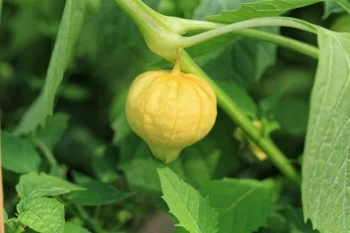
Mexican Groundcherry: The Unique Edible Annual That’s Taking Gardens by Storm
If you’ve ever wandered through a farmer’s market and spotted those peculiar green fruits wrapped in papery husks, you’ve likely encountered the Mexican groundcherry (Physalis philadelphica). This fascinating annual plant might just be the quirky addition your garden has been waiting for – though as with any non-native species, it’s worth understanding what you’re getting into before you plant.
What Exactly Is Mexican Groundcherry?
Mexican groundcherry is an annual forb – basically a non-woody plant that completes its entire life cycle in a single growing season. Don’t let the name fool you, though. This isn’t your typical groundcherry, and it’s definitely not related to regular cherries. Instead, it’s the plant that produces tomatillos, those tangy green fruits essential to Mexican cuisine.
The plant produces small white flowers that eventually develop into fruits encased in distinctive papery husks. As the fruits mature, these husks turn from green to brown and become quite decorative, making the plant as much an ornamental curiosity as an edible crop.
Where Does It Come From and Where Does It Grow?
Originally hailing from Mexico and Central America, Mexican groundcherry has made itself quite at home across North America. It now grows throughout most of the United States and parts of Canada, thriving in diverse climates from the desert Southwest to the humid Southeast. You’ll find it established in states ranging from California to New York, and from Texas up to Alberta and Ontario.
- Species observed
- No observations
The plant is considered non-native throughout its current range, meaning it was introduced by humans and now reproduces on its own in the wild. However, it’s not currently classified as invasive or noxious, so you won’t be contributing to ecological mayhem by growing it in your garden.
Why Grow Mexican Groundcherry?
There are several compelling reasons you might want to add this unusual plant to your garden:
- Unique edible harvest: The fruits are delicious – tart, slightly sweet, and perfect for salsas, sauces, and even eating fresh
- Ornamental value: The papery husks create interesting texture and visual appeal in the garden
- Pollinator support: The small white flowers attract bees and other beneficial insects
- Easy to grow: As an annual, it’s relatively low-maintenance and perfect for beginning gardeners
- Conversation starter: Your neighbors will definitely ask about those peculiar husked fruits!
Garden Design and Landscape Role
Mexican groundcherry works best in vegetable gardens and edible landscapes, where its primary purpose is fruit production. However, it can also serve as an interesting annual addition to flower borders or mixed plantings. The plant typically reaches 3-4 feet tall and spreads about 2-3 feet wide, so give it plenty of room to sprawl.
Consider it for:
- Vegetable and herb gardens
- Edible landscape designs
- Annual flower borders (for textural interest)
- Container gardens (with adequate support)
Growing Conditions and Care
Mexican groundcherry is surprisingly adaptable, but it does have some preferences. The plant strongly favors upland conditions – it almost never occurs in wetlands and definitely doesn’t like soggy feet. Here’s what it needs to thrive:
Light: Full sun is essential for best fruit production, though it can tolerate some light shade.
Soil: Well-drained soil is crucial. The plant is quite drought-tolerant once established but cannot handle waterlogged conditions.
Temperature: Being an annual, it can be grown in USDA zones 3-11, but it cannot tolerate frost. Think of it like a tomato in terms of temperature needs.
Space: Give plants plenty of room – they can get quite large and bushy by the end of the season.
Planting and Care Tips
Growing Mexican groundcherry successfully is quite straightforward:
- Start from seed: Seeds can be started indoors 6-8 weeks before the last frost, or direct-seeded after soil has warmed
- Timing: Plant after all danger of frost has passed and soil temperature reaches at least 60°F
- Support: Consider staking or caging plants, as they can become top-heavy when loaded with fruit
- Watering: Water regularly during establishment, then reduce frequency as plants mature
- Harvesting: Fruits are ready when the husks turn brown and papery – usually 70-80 days from planting
A Word About Native Alternatives
While Mexican groundcherry isn’t problematic from an ecological standpoint, native plant enthusiasts might want to consider indigenous alternatives that provide similar benefits to local wildlife. Native Physalis species like ground cherry (P. longifolia) or clammy ground cherry (P. heterophylla) can offer some of the same ornamental qualities while supporting local ecosystems more directly.
The Bottom Line
Mexican groundcherry is a delightful, low-maintenance annual that brings both edible and ornamental value to the garden. While it’s not native to North America, it’s not causing ecological problems either, making it a reasonable choice for gardeners interested in unique edibles. Just remember to provide well-drained soil, full sun, and plenty of space for this sprawling character to show off its papery-husked fruits.
Whether you’re drawn to its culinary possibilities, its unusual appearance, or its value to pollinators, Mexican groundcherry might just become your new favorite garden conversation piece.