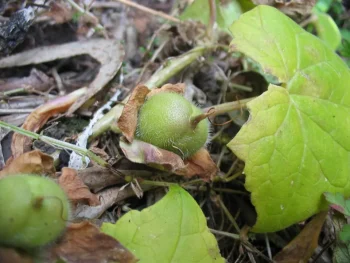
Mexican Twist: A Climbing Beauty for Your Garden
If you’re looking for a fast-growing climbing vine that puts on quite a show, you might want to consider the Mexican twist (Lophospermum erubescens). Also known as large roving sailor, this perennial vine brings a splash of color and vertical interest to gardens in warmer climates. But before you rush to the nursery, let’s dive into what makes this plant tick and whether it’s the right fit for your garden.
What Exactly Is Mexican Twist?
Mexican twist is a herbaceous perennial vine that belongs to the group of plants we call forbs – basically, it’s a vascular plant without woody stems above ground. Think of it as nature’s own climbing ribbon, gracefully winding its way up whatever support you provide. You might also see it listed under its synonym Asarina erubescens in some plant catalogs, so don’t let that confuse you!
Where Does It Come From?
This climbing charmer is native to Mexico and Central America, which explains its love for warm weather. In the United States, you’ll find it growing in Hawaii and Puerto Rico, where it has established itself as a non-native species that reproduces on its own in the wild. It’s worth noting that while it’s naturalized in these areas, it’s not currently listed as invasive.
- Species observed
- No observations
The Visual Appeal
Mexican twist is definitely easy on the eyes! This vine produces lovely tubular flowers in shades of pink to red that practically glow against its heart-shaped, soft green leaves. The flowers have that classic snapdragon-family look (which makes sense, since they’re related), and they keep blooming throughout the growing season. The vine can climb 6-10 feet or more, making it perfect for adding vertical drama to your garden.
Garden Role and Design Uses
Think of Mexican twist as your garden’s natural decorator. This vine excels at:
- Covering trellises, arbors, and pergolas
- Softening harsh fence lines
- Adding height to container gardens
- Creating living screens for privacy
- Cascading from hanging baskets
It’s particularly well-suited for tropical and subtropical gardens, container gardening, and anywhere you want to create a lush, romantic feeling.
Friends with Benefits (For Pollinators)
Here’s where Mexican twist really shines – those tubular flowers are like tiny hummingbird cafes! The shape and color are perfectly designed to attract these aerial acrobats, and butterflies are pretty fond of them too. If you’re looking to create a pollinator-friendly garden, this vine definitely pulls its weight.
Growing Conditions and Care
Mexican twist is fairly easygoing, but like its native habitat suggests, it loves warmth. Here’s what it needs to thrive:
- Light: Full sun to partial shade (at least 6 hours of direct sunlight)
- Soil: Well-draining soil that doesn’t stay soggy
- Water: Regular watering, but let soil dry slightly between waterings
- Climate: USDA hardiness zones 9-11 as a perennial
In cooler climates (zones 8 and below), you can grow Mexican twist as an annual or bring container plants indoors for winter.
Planting and Care Tips
Getting your Mexican twist off to a good start is pretty straightforward:
- Plant after the last frost when soil has warmed
- Provide a sturdy support structure right from the start
- Space plants 2-3 feet apart if planting multiple vines
- Pinch growing tips occasionally to encourage bushier growth
- Feed with a balanced fertilizer monthly during growing season
- Protect from frost in borderline hardy zones
Should You Grow It?
Mexican twist can be a lovely addition to the right garden, especially if you’re looking for a fast-growing vine with pollinator appeal. However, since it’s not native to most of the United States, you might want to consider native alternatives first. Native climbing vines like American groundnut (Apios americana), wild bergamot (Monarda fistulosa), or trumpet vine (Campsis radicans) can provide similar benefits while supporting local ecosystems.
If you do decide to grow Mexican twist, you’re likely to enjoy its reliable blooms, fast growth, and the hummingbirds it attracts. Just remember that in warmer climates, keep an eye on it to make sure it doesn’t spread beyond where you want it to go.
The Bottom Line
Mexican twist offers gardeners a relatively low-maintenance way to add vertical color and attract hummingbirds. While it’s not native to most of the U.S., it’s currently not considered problematic either. Whether you choose to grow it or opt for a native alternative, the key is creating a garden that brings you joy while being mindful of your local ecosystem. Happy gardening!