Meyen’s Flatsedge: A Hardy Sedge for Wet Garden Spots
Looking for a tough, water-loving plant that can handle those soggy spots in your garden? Meet Meyen’s flatsedge (Cyperus meyenianus), a perennial sedge that’s made itself quite at home in Hawaii’s diverse landscapes. While it may not be a native Hawaiian plant, this South American transplant has some interesting qualities that might make it worth considering for certain garden situations.
What is Meyen’s Flatsedge?
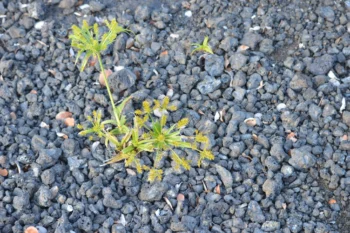
Meyen’s flatsedge is a grass-like perennial belonging to the sedge family (Cyperaceae). Don’t let the name fool you—sedges aren’t actually grasses, though they look quite similar at first glance. This particular species forms clumps of narrow, green leaves with distinctive triangular stems (a classic sedge feature!) and produces small, brownish flower clusters.
Originally hailing from South America, including Peru, Chile, and Argentina, this adaptable plant has established itself in Hawaii where it thrives in wet conditions. You might also see it listed under its synonym, Mariscus meyenianus.
Where Does It Grow?
In the United States, Meyen’s flatsedge is currently found in Hawaii, where it’s classified as a non-native species that reproduces naturally in the wild. It’s considered a facultative wetland plant, meaning it usually prefers wet conditions but can tolerate drier spots when needed.
- Species observed
- No observations
Should You Plant Meyen’s Flatsedge?
The decision to plant Meyen’s flatsedge depends on your specific garden needs and philosophy about native plants. Here are some considerations:
Potential Benefits:
- Excellent for wet, difficult-to-plant areas
- Low maintenance once established
- Good for erosion control
- Handles flooding and consistently moist soil
- Perennial growth means it returns year after year
Things to Consider:
- Not native to North America
- May spread via rhizomes and seeds
- Limited benefits for pollinators (wind-pollinated)
- Better native alternatives exist for most situations
Native Alternatives to Consider
Before choosing Meyen’s flatsedge, consider these native sedge options that provide similar benefits while supporting local ecosystems:
- Native Hawaiian sedges like Cyperus laevigatus
- Other regional native sedges suited to your specific location
- Native rush species for wet areas
Growing Conditions
If you decide to grow Meyen’s flatsedge, it’s relatively easy to please:
- Light: Full sun to partial shade
- Soil: Moist to wet soils; tolerates flooding
- Water: Consistent moisture preferred
- Climate: Best in USDA zones 9-11 (warm, frost-free areas)
Perfect Garden Spots
Meyen’s flatsedge works well in:
- Rain gardens and bioswales
- Pond margins and water feature edges
- Bog gardens
- Naturalized wet meadows
- Areas with poor drainage
Care and Maintenance
One of the appealing aspects of Meyen’s flatsedge is its low-maintenance nature:
- Water regularly during establishment, then let natural rainfall take over
- No fertilizer needed in most situations
- Cut back in late winter if desired
- Monitor for spreading if that’s a concern in your space
- Division can be done in spring if you want to propagate
The Bottom Line
Meyen’s flatsedge is a practical choice for challenging wet spots where many plants struggle. While it’s not native and offers limited wildlife benefits compared to indigenous alternatives, it won’t cause major ecological disruption in most garden settings. If you’re dealing with consistently soggy soil and want a reliable, low-fuss plant, it might fit the bill.
However, we’d encourage you to first explore native sedge options for your area. Native plants typically provide better support for local wildlife and are perfectly adapted to your regional conditions. Your local native plant society or extension office can point you toward indigenous alternatives that might work even better in your specific situation.
Whatever you choose, any plant that helps manage water runoff and prevents soil erosion is doing good work in the garden!