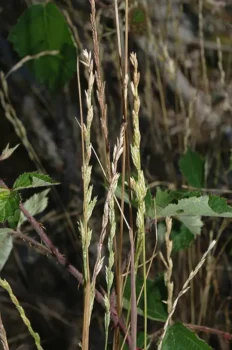
Micropyrum tenellum: A Delicate Mediterranean Grass for Specialized Gardens
If you’re searching for information about Micropyrum tenellum, you’ve likely stumbled upon one of the more obscure members of the grass family. This petite Mediterranean native might not be a household name, but it has some interesting characteristics that make it worth understanding, especially if you’re designing a specialized garden or working with naturalized landscapes.
What Exactly Is Micropyrum tenellum?
Micropyrum tenellum is a small annual grass that belongs to the broader category of graminoids—grass and grass-like plants. You might also encounter it under its scientific synonym, Catapodium tenellum. This delicate species originates from the Mediterranean region, where it has adapted to the characteristic dry summers and mild, wet winters of that climate.
As a fine-textured grass, it produces small, inconspicuous seed heads and maintains a low-growing habit throughout its annual lifecycle. Don’t expect dramatic visual impact—this is definitely a supporting actor rather than a garden star.
Geographic Distribution and Native Range
This Mediterranean native naturally occurs across parts of Europe, North Africa, and western Asia, thriving in the region’s distinctive climate patterns. In its native range, you’ll find it growing in rocky areas, disturbed soils, and open grasslands where competition from larger plants is minimal.
Should You Plant Micropyrum tenellum in Your Garden?
The honest answer? Probably not, unless you have very specific gardening goals. Here’s why:
- Limited aesthetic appeal: This grass won’t wow visitors with showy flowers or dramatic foliage
- Minimal wildlife benefits: As a wind-pollinated species, it offers little to pollinators and limited value to wildlife
- Not native to North America: There are many beautiful native grasses that would serve your landscape better
- Specialized growing requirements: It needs Mediterranean-type conditions to thrive
When Micropyrum tenellum Might Make Sense
That said, there are some specialized situations where this grass could be appropriate:
- Mediterranean-style gardens in suitable climates (USDA zones 8-10)
- Rock gardens where fine texture is desired
- Naturalized areas that mimic Mediterranean ecosystems
- Research or educational gardens showcasing Mediterranean flora
Growing Conditions and Care
If you do decide to grow Micropyrum tenellum, here’s what it needs to succeed:
Climate Requirements: This grass is best suited for USDA hardiness zones 8-10, where it can experience the mild winters it prefers.
Soil and Drainage: Well-draining soil is absolutely essential. This Mediterranean native cannot tolerate waterlogged conditions and thrives in sandy or rocky soils that drain quickly after rain.
Sun Exposure: Full sun is preferred, though it can tolerate some light shade.
Water Needs: Once established, it’s quite drought tolerant, reflecting its Mediterranean origins. Water moderately during the growing season but allow soil to dry between waterings.
Planting and Propagation
As an annual grass, Micropyrum tenellum is typically grown from seed:
- Direct seed in fall for best germination
- Scatter seeds lightly over prepared soil surface
- Barely cover with soil—seeds need some light to germinate
- Keep soil consistently moist until seedlings establish
- The plant will self-seed readily under appropriate conditions
Better Native Alternatives
Before committing to this Mediterranean species, consider these native alternatives that offer similar fine texture with greater ecological benefits:
- Buffalo grass (Poaceae family): For drought-tolerant ground cover
- Native sedges (Carex species): Fine-textured and wildlife-friendly
- Little bluestem: Beautiful texture with seasonal color changes
- Regional native bunch grasses: Check with your local native plant society
The Bottom Line
Micropyrum tenellum is an interesting botanical specimen, but it’s not the most practical choice for most North American gardens. Unless you’re specifically creating a Mediterranean-themed landscape or have particular research interests, you’ll likely find greater success and ecological benefit with native grass alternatives.
If Mediterranean plants fascinate you, consider focusing on species that offer more visual impact and wildlife benefits while still maintaining that distinctive Mediterranean character. Your local pollinators—and your garden’s overall ecosystem—will thank you for choosing natives that have co-evolved with your regional wildlife.