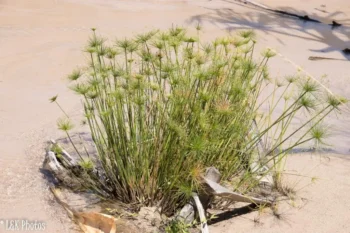
Miniature Flatsedge: A Small Sedge with Big Water Garden Potential
If you’re looking for a delicate, grass-like plant to add texture to your water garden or rain garden, miniature flatsedge (Cyperus prolifer) might catch your eye. This petite perennial sedge brings a fine-textured, naturalized look to wet areas where many other plants struggle to thrive.
What is Miniature Flatsedge?
Miniature flatsedge is a small, clumping sedge that belongs to the Cyperaceae family. As its name suggests, it’s quite diminutive compared to its larger sedge cousins, forming neat little tufts with narrow, grass-like leaves. The plant produces small, brownish flower clusters that add subtle interest without being showy.
Where Does It Grow?
This sedge is not native to the United States – it originally hails from tropical regions of Africa and Asia. However, it has established itself in Florida and Hawaii, where it reproduces naturally in the wild. In these locations, it has adapted well to local conditions and persists without human intervention.
- Species observed
- No observations
Growing Conditions and Hardiness
Miniature flatsedge is a water-loving plant that thrives in consistently moist to wet conditions. Here’s what it needs to flourish:
- Moisture: Prefers consistently wet soils and can tolerate flooding
- Light: Grows well in full sun to partial shade
- Hardiness: Suitable for USDA zones 8-11
- Soil: Adaptable to various wet soil types
Its wetland status varies by region – it’s considered a facultative wetland plant in the Atlantic and Gulf Coastal Plain and Eastern Mountains and Piedmont regions (usually found in wetlands but can occur elsewhere), while in Hawaii it’s classified as an obligate wetland plant (almost always found in wetlands).
Garden Uses and Landscape Role
Despite its small stature, miniature flatsedge can play several useful roles in the right garden setting:
- Water gardens: Excellent for pond margins and bog gardens
- Rain gardens: Helps manage stormwater runoff
- Naturalized landscapes: Adds texture to informal, wild-looking plantings
- Ground cover: Forms low, spreading mats in wet areas
Planting and Care Tips
One of the appealing aspects of miniature flatsedge is its relatively low-maintenance nature once established:
- Plant in spring when soil temperatures warm up
- Ensure consistent moisture – this plant doesn’t tolerate drought
- Space plants appropriately as they can spread via rhizomes
- Minimal fertilization needed in naturally rich, wet soils
- Little to no pruning required
Wildlife and Pollinator Value
As a wind-pollinated sedge, miniature flatsedge offers limited direct benefits to pollinators like bees and butterflies. However, it may provide some habitat value in wetland ecosystems.
Should You Plant Miniature Flatsedge?
The decision to plant miniature flatsedge depends on your specific garden goals and location. Since it’s not native to the United States, you might want to consider native alternatives first, such as native sedges like Carex species or rushes like Juncus effusus, which provide similar aesthetic appeal while supporting local ecosystems.
However, if you’re in zones 8-11 and have a challenging wet area where native options haven’t succeeded, miniature flatsedge could be a reasonable choice for adding texture and managing moisture. Just keep in mind that it can spread, so consider its placement carefully.
Whether you choose this introduced sedge or opt for native alternatives, any plant that thrives in wet conditions is a valuable addition to sustainable landscape design – especially as we face increasing challenges with stormwater management and climate resilience.