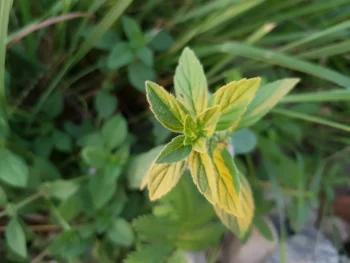
The Mysterious Mint: Understanding Mentha ×verticillata
If you’ve stumbled across the name Mentha ×verticillata in your gardening research, you might be wondering what exactly this mint is all about. Don’t worry if you’re scratching your head – this particular mint hybrid is something of an enigma in the gardening world, with limited information available even to seasoned plant enthusiasts.
What Is Mentha ×verticillata?
Mentha ×verticillata is a perennial mint hybrid that belongs to the diverse and aromatic mint family. As a forb – essentially a non-woody flowering plant – it shares the basic characteristics of other mints but remains one of the lesser-known members of this fragrant clan. You might also encounter it listed under its synonym Mentha sativa L. in older botanical references.
Where Does It Grow?
This mint has established itself in several states across the northeastern and midwestern United States, including Connecticut, Illinois, New Jersey, New York, Pennsylvania, West Virginia, and Wisconsin. Despite being non-native to North America, it has managed to reproduce spontaneously in the wild and persist in these regions.
- Species observed
- No observations
The Challenge of Growing an Unknown
Here’s where things get tricky for gardeners: there’s surprisingly little reliable information available about this specific mint hybrid. While we know it’s a perennial that can establish itself in the wild, details about its preferred growing conditions, appearance, care requirements, and even its exact parentage remain largely mysterious.
Should You Plant It?
Given the limited information available about Mentha ×verticillata, most gardeners would be better served choosing well-documented mint varieties with known characteristics and care requirements. If you’re interested in adding mint to your garden, consider these alternatives:
- Native wild mint species specific to your region
- Well-established culinary mints like spearmint or peppermint
- Native aromatic plants that provide similar benefits
A Note on Native Alternatives
Since Mentha ×verticillata is non-native, you might want to explore indigenous mint and aromatic plant options in your area. Many regions have native wild mints that offer similar fragrance and potential benefits while supporting local ecosystems. Check with your local native plant society or extension office for recommendations specific to your area.
The Bottom Line
While Mentha ×verticillata isn’t considered invasive based on available information, its mysterious nature and limited documentation make it a questionable choice for most home gardens. Unless you’re a mint collector or botanical researcher with access to verified plant material, you’ll likely find more success and satisfaction with better-known mint varieties or native aromatic plants.
Sometimes in gardening, the most intriguing plants are also the most elusive – and Mentha ×verticillata certainly fits that description!