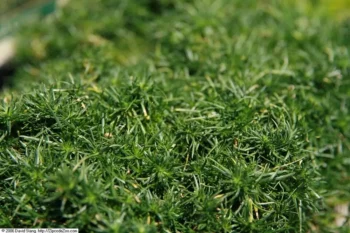
Spring Sandwort: A Tiny Treasure for Rock Gardens
If you’re looking for a diminutive charmer that can thrive in challenging conditions, let me introduce you to Minuartia verna, commonly known as Spring Sandwort or Vernal Sandwort. This petite perennial might not win any height contests, but what it lacks in stature, it more than makes up for in resilience and quiet beauty.
What is Spring Sandwort?
Spring Sandwort is a low-growing perennial that forms dense, cushion-like mats rarely exceeding 2-4 inches in height. Don’t let its small size fool you – this tough little plant is built to survive in some pretty harsh conditions. You might also see it listed under its former scientific name, Arenaria verna, in older gardening references.
This hardy plant is native to Europe, Asia, and parts of North America, particularly in Arctic and subarctic regions where it has learned to thrive in rocky, nutrient-poor soils that would challenge many other plants.
Why Grow Spring Sandwort?
Here are some compelling reasons to consider adding this tiny powerhouse to your garden:
- Drought tolerance: Once established, it requires minimal watering
- Low maintenance: Perfect for gardeners who prefer a plant it and forget it approach
- Unique texture: Creates interesting textural contrast in rock gardens
- Pollinator friendly: Small white flowers attract beneficial insects
- Season-long interest: Evergreen foliage provides year-round structure
Where Does Spring Sandwort Shine?
This isn’t a plant for your front border or cottage garden – Spring Sandwort is a specialist that excels in specific situations:
- Rock gardens: Perfect for tucking between stones and boulders
- Alpine gardens: Mimics its natural mountain habitat
- Xeriscapes: Ideal for water-wise landscaping
- Difficult slopes: Helps prevent erosion on challenging terrain
- Container gardens: Great for shallow containers and troughs
Growing Conditions and Care
The good news about Spring Sandwort is that it’s surprisingly easy to please – as long as you remember it’s not a typical garden plant. Here’s what it needs to thrive:
Soil Requirements
- Well-draining soil is absolutely essential – this plant will rot in soggy conditions
- Poor to average soil is actually preferred
- Sandy or gravelly soil works wonderfully
- pH can range from slightly acidic to slightly alkaline
Light and Water
- Full sun is best, though it can tolerate some light shade
- Water regularly during the first growing season to establish roots
- Once established, water only during extended dry periods
- Overwatering is more harmful than underwatering
Climate Considerations
Spring Sandwort is hardy in USDA zones 3-7, making it suitable for most temperate climates. It actually prefers cooler conditions and may struggle in hot, humid climates.
Planting and Maintenance Tips
Getting Spring Sandwort established is straightforward:
- Timing: Plant in spring or early fall
- Spacing: Allow 6-12 inches between plants for eventual spread
- Mulching: Use gravel or stone mulch rather than organic mulch
- Fertilizing: Generally unnecessary – rich soil can actually harm this plant
- Pruning: Minimal pruning needed; just remove any dead portions in spring
Wildlife and Pollinator Benefits
While Spring Sandwort’s flowers are tiny, they’re perfectly sized for small pollinators like flies, gnats, and small bees. The dense mat-forming growth also provides shelter for beneficial insects and small creatures in rock garden settings.
Potential Drawbacks
Before you rush out to find this plant, consider these limitations:
- Limited availability: Not commonly found at typical garden centers
- Slow establishment: Takes time to form substantial mats
- Specific requirements: Struggles in typical garden soil conditions
- Small impact: Won’t provide dramatic visual impact like larger perennials
The Bottom Line
Spring Sandwort isn’t for every gardener or every garden situation. But if you have a rock garden, alpine garden, or challenging dry area that needs a tough, low-maintenance ground cover, this little plant could be exactly what you’re looking for. Its understated charm and impressive resilience make it a valuable addition to the right setting.
Just remember: less is more when it comes to caring for Spring Sandwort. Give it good drainage, plenty of sun, and then step back and let it do what it does best – quietly thriving where other plants might struggle.