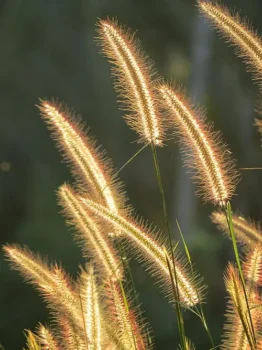
Mission Grass: A Beautiful but Problematic Addition to Your Garden
If you’ve encountered the tall, graceful plumes of mission grass (Pennisetum polystachion) swaying in the breeze, you might be tempted to add this striking perennial grass to your landscape. However, before you make that decision, there are some important considerations every responsible gardener should know about this non-native species.
What is Mission Grass?
Mission grass, scientifically known as Pennisetum polystachion, is a perennial grass that produces elegant, feathery seed heads that can add dramatic texture to any landscape. You might also see it listed under its synonyms Cenchrus polystachios or Pennisetum polystachyon in some references. This grass belongs to the large family of grasses and grass-like plants, which includes everything from lawn grasses to sedges and rushes.
Where Does Mission Grass Grow?
Originally from tropical regions of Africa and Asia, mission grass has made itself at home in warmer parts of the United States and its territories. Currently, you can find established populations in Florida, Hawaii, Texas, Guam, Palau, Puerto Rico, and various U.S. Minor Outlying Islands. The grass thrives in USDA hardiness zones 9-11, where temperatures rarely dip below freezing.
- Species observed
- No observations
The Problem with Mission Grass
Here’s where things get complicated for gardeners. Mission grass carries a noxious weed designation in the United States, meaning it’s been identified as a plant that can cause significant ecological or economic harm. As a non-native species, it reproduces freely in the wild without human assistance and has shown a troubling ability to persist and spread in various regions.
This persistence isn’t just a minor inconvenience – it can lead to real problems for local ecosystems and native plant communities. When non-native grasses like mission grass establish themselves, they can outcompete indigenous plants that local wildlife depends on for food and habitat.
Growing Conditions and Characteristics
If you’re wondering why mission grass has been so successful at spreading, it’s partly due to its adaptability. The grass demonstrates different wetland preferences depending on the region:
- In arid western regions and coastal plains: Can grow in both wet and dry conditions
- In the Caribbean: Prefers upland, drier areas
- In the Great Plains and Hawaii: Usually grows in non-wetland areas but tolerates some moisture
This flexibility in growing conditions, combined with its perennial nature and ability to self-seed, makes mission grass particularly good at establishing itself in new areas – perhaps too good.
Why We Don’t Recommend Planting Mission Grass
Despite its undeniable beauty and ornamental appeal, we strongly advise against intentionally planting mission grass in your garden or landscape. Its noxious weed status and non-native origin make it a problematic choice for environmentally conscious gardeners. The risk of it escaping cultivation and impacting local ecosystems simply isn’t worth the aesthetic benefits.
Better Native Alternatives
Fortunately, there are plenty of native grass alternatives that can provide similar ornamental value without the ecological concerns:
- For Florida gardeners: Consider wiregrass (Aristida stricta) or sand cordgrass (Spartina bakeri)
- For Texas landscapes: Try little bluestem (Schizachyrium scoparium) or purple three-awn (Aristida purpurea)
- For Hawaiian gardens: Look into native bunch grasses like Eragrostis variabilis
These native alternatives will not only give you beautiful texture and movement in your garden but will also support local wildlife and maintain the ecological integrity of your region.
The Bottom Line
While mission grass might catch your eye with its graceful appearance, it’s simply not worth the environmental risk. As gardeners, we have a responsibility to make choices that support our local ecosystems rather than potentially harm them. By choosing native alternatives, you can create a beautiful landscape that works in harmony with nature rather than against it.
Remember: the most beautiful garden is one that enhances rather than disrupts the natural world around it. Your local native plant society or extension office can help you discover stunning native grasses that will thrive in your specific conditions while supporting the wildlife that calls your area home.