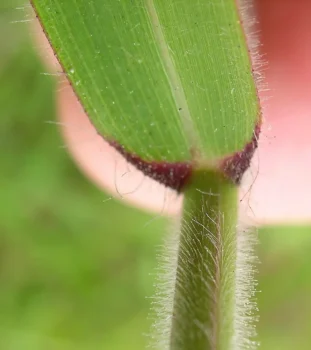
Molassesgrass: The Sweet-Scented Grass That’s Not So Sweet for Native Ecosystems
If you’ve ever caught a whiff of something that smells suspiciously like pancake syrup while walking through a grassy area in Florida or Hawaii, you’ve likely encountered molassesgrass (Melinis minutiflora). This perennial grass gets its delightful common name from the sweet, molasses-like fragrance it releases when crushed or brushed against. But don’t let that appealing scent fool you – this African native has quite the complicated relationship with American landscapes.
What Exactly Is Molassesgrass?
Molassesgrass, also known as Brazilian stink grass or pasto de gordura, is a perennial grass that originally hails from tropical Africa. Despite one of its common names suggesting Brazilian origins, this grass made its way to the Americas through human introduction and has since established itself across several U.S. states and territories.
This hardy graminoid forms dense, soft-textured clumps that can spread readily once established. As a member of the grass family, it’s wind-pollinated and doesn’t provide the nectar and pollen resources that native flowering plants offer to local pollinators.
Where You’ll Find Molassesgrass Growing
Currently, molassesgrass has established populations in Florida, Hawaii, Guam, Palau, and Puerto Rico. In these locations, it has proven quite adaptable, reproducing spontaneously in the wild without human assistance and persisting year after year.
- Species observed
- No observations
The Appeal and the Concern
From a purely aesthetic standpoint, molassesgrass has some attractive qualities:
- Pleasant, sweet fragrance when disturbed
- Dense, soft texture that creates good ground cover
- Tolerates poor soils and drought conditions
- Requires minimal maintenance once established
- Thrives in USDA hardiness zones 9-11
However, there’s a significant caveat for native gardening enthusiasts: molassesgrass is a non-native species that has naturalized in sensitive ecosystems. In Hawaii, it’s classified as facultative for wetland status, meaning it can grow in both wetland and upland areas, potentially impacting diverse native plant communities.
Growing Conditions and Care
If you’re in an area where molassesgrass is already established and you’re considering working with it, here’s what you need to know about its preferences:
- Thrives in full sun exposure
- Tolerates a wide range of soil conditions, including poor soils
- Drought-tolerant once established
- Spreads readily through both seeds and vegetative growth
- Requires minimal fertilization or special care
A Better Path Forward: Native Alternatives
While molassesgrass might seem like an easy, low-maintenance option for ground cover, native gardening principles encourage us to think beyond convenience. Instead of introducing or encouraging non-native species, consider these approaches:
- Research native grasses that naturally occur in your specific region
- Consult with local native plant societies or extension services
- Choose plants that support local wildlife and pollinators
- Select species that have co-evolved with your local ecosystem
The Bottom Line
Molassesgrass presents a classic gardening dilemma: it’s undeniably easy to grow and has some appealing characteristics, but it’s not native to American ecosystems. While its invasive status isn’t definitively established, its ability to naturalize and persist suggests it could potentially compete with native plant communities.
For gardeners committed to supporting native biodiversity, the sweetest choice is often to explore indigenous alternatives that provide similar benefits while supporting the complex web of local wildlife, pollinators, and ecosystem relationships that make each region unique. Your local native plant community will be happy to help you find grasses that are both beautiful and beneficial to your specific corner of the world.