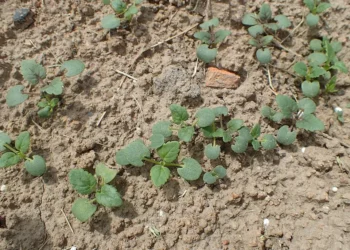
Moldavian Dragonhead: A Fragrant Herb with Old-World Charm
If you’re looking for a plant that combines aromatic foliage, pretty flowers, and easy care, Moldavian dragonhead (Dracocephalum moldavica) might just be the herb you didn’t know you needed. This charming perennial brings a touch of old-world European garden style to modern landscapes, though it comes with both benefits and considerations worth knowing about.
What Is Moldavian Dragonhead?
Moldavian dragonhead is a perennial forb – essentially an herbaceous plant without woody stems that dies back to the ground each winter. Originally hailing from Central Asia and Eastern Europe, particularly the Moldova region that gives it its common name, this plant has made itself at home in parts of North America. It’s also known by the synonym Moldavica moldavica, though most gardeners simply call it Moldavian dragonhead.
Where Does It Grow?
In the United States, you’ll find Moldavian dragonhead growing in Connecticut, Nebraska, Vermont, and Wisconsin. As a non-native species, it has been introduced to these areas and now reproduces on its own in the wild, persisting without human intervention.
- Species observed
- No observations
Garden Appeal and Aesthetics
What makes this plant special? For starters, its small tubular flowers in shades of blue to purple create dense, attractive spikes that bloom throughout the growing season. The real showstopper, though, might be the foliage – it releases a delightful mint-like fragrance when brushed or crushed, making it a sensory treat in the garden.
The plant fits beautifully into several garden styles:
- Cottage gardens, where its informal charm shines
- Herb gardens, both for its aromatic qualities and historical use
- Pollinator gardens, thanks to its nectar-rich flowers
- Naturalized areas where it can spread freely
Growing Conditions and Care
One of Moldavian dragonhead’s best qualities is how easy it is to grow. This adaptable plant thrives in USDA hardiness zones 3-8, making it suitable for most temperate climates. Here’s what it needs to flourish:
- Light: Full sun to partial shade (though it flowers best in full sun)
- Soil: Well-draining soil of average fertility – it’s not picky about soil type
- Water: Drought tolerant once established, though regular watering during dry spells helps
- Maintenance: Minimal care required – this is truly a low-maintenance plant
Planting and Propagation
Starting Moldavian dragonhead is surprisingly simple. The plant grows easily from seed and has a tendency to self-sow readily – perhaps a bit too readily for some gardeners’ taste. If you enjoy a plant that naturalizes and fills in spaces on its own, you’ll love this characteristic. If you prefer more controlled garden spaces, you’ll want to deadhead spent flowers before they set seed.
Pollinator and Wildlife Benefits
The nectar-rich flowers are magnets for beneficial insects, particularly bees and butterflies. If you’re working to create a pollinator-friendly landscape, Moldavian dragonhead can be a valuable addition, providing food sources throughout its blooming period.
The Bottom Line: Should You Plant It?
Moldavian dragonhead offers several appealing qualities – easy care, attractive flowers, aromatic foliage, and pollinator benefits. However, as a non-native species with a tendency to self-sow aggressively, it’s worth considering whether it fits your gardening philosophy and local ecosystem goals.
If you decide to grow it, keep an eye on its spread and consider deadheading to prevent unwanted self-seeding. Alternatively, you might explore native alternatives that provide similar benefits, such as wild bergamot (Monarda fistulosa) or anise hyssop (Agastache foeniculum), which offer comparable aromatic qualities and pollinator appeal while supporting local ecosystems.
Whether you choose Moldavian dragonhead or a native alternative, you’ll be adding fragrance, beauty, and pollinator support to your garden – and that’s always a win.