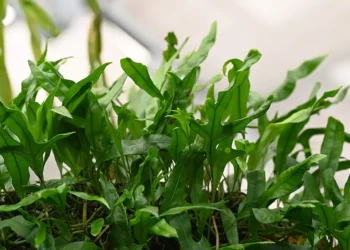
Monarch Fern: A Fragrant Tropical Beauty for Your Shade Garden
If you’re looking to add some tropical flair to your shaded garden spaces, the monarch fern (Phymatosorus scolopendria) might just catch your eye. Also known as the laua’e maile-scented fern, this glossy-leafed beauty brings both visual appeal and a delightful fragrance to gardens in warmer climates.
What Makes the Monarch Fern Special?
The monarch fern stands out from other ferns with its distinctive leathery, glossy fronds that release a pleasant maile-like scent when brushed against or crushed. This perennial fern creates an attractive backdrop in shade gardens and can add that coveted tropical atmosphere many gardeners crave.
You might also see this plant listed under several scientific synonyms, including Microsorum scolopendria or Polypodium scolopendria, but they’re all referring to the same fragrant fern.
Where Does It Grow?
Originally native to tropical regions of Asia, Australia, and various Pacific islands, the monarch fern has established itself in several U.S. locations. You’ll currently find it growing in Florida, Hawaii, Guam, Palau, Puerto Rico, and some U.S. Minor Outlying Islands. As a non-native species, it has naturalized in these areas and reproduces on its own.
- Species observed
- No observations
Is the Monarch Fern Right for Your Garden?
Before deciding to grow monarch fern, consider these factors:
- Climate requirements: This fern thrives in USDA hardiness zones 9-11, so it’s only suitable for consistently warm, frost-free areas
- Space and style: Perfect for tropical and subtropical garden themes, rock gardens, or as an epiphytic accent
- Maintenance: Relatively low-maintenance once established in the right conditions
- Non-native consideration: While not currently listed as invasive, it’s worth considering native fern alternatives that provide similar aesthetic benefits while supporting local ecosystems
Growing Conditions and Care
If you decide to grow monarch fern, here’s what it needs to thrive:
- Light: Prefers shaded to partially shaded locations
- Humidity: Requires high humidity levels typical of tropical environments
- Water: Regular watering to maintain consistent moisture
- Soil: Well-draining soil or can be grown as an epiphyte mounted on trees or rocks
- Temperature: Needs consistently warm temperatures year-round
Design Ideas and Garden Roles
The monarch fern works beautifully in several garden applications:
- As an understory plant in tropical landscapes
- Mounted on tree bark or rocks for an authentic epiphytic display
- In shaded rock gardens or alongside water features
- As ground cover in consistently moist, shaded areas
- In containers for patios or covered outdoor spaces
Consider Native Alternatives
While monarch fern can be an attractive addition to suitable gardens, consider exploring native fern species in your area first. Native plants typically require less maintenance, support local wildlife, and are better adapted to your specific regional conditions. Your local native plant society or extension office can help you identify beautiful native ferns that might work even better in your landscape.
The Bottom Line
Monarch fern offers tropical beauty and delightful fragrance for gardeners in warm, humid climates. If you live in zones 9-11 and can provide the shaded, humid conditions it craves, this fern can add an exotic touch to your garden. Just remember to source plants responsibly and consider whether a native alternative might better serve both your garden and local ecosystem.