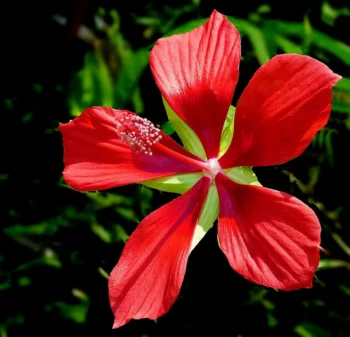
Monarch Rosemallow: A Lesser-Known Hibiscus Worth Understanding
If you’ve stumbled across the name monarch rosemallow in your gardening research, you might be scratching your head wondering what exactly this plant is all about. You’re not alone! Hibiscus radiatus, commonly known as monarch rosemallow, is one of those botanical mysteries that doesn’t get much attention in mainstream gardening circles.
What We Know About Monarch Rosemallow
Monarch rosemallow is a perennial herbaceous plant that belongs to the hibiscus family. Unlike its showier cousins, this species keeps a relatively low profile in the gardening world. It’s what botanists call a forb – basically a fancy way of saying it’s a flowering plant without woody stems, similar to other wildflowers and herbs you might find in meadows.
Where Does It Grow?
Currently, monarch rosemallow is found growing in Florida, where it has established itself as a non-native species that reproduces on its own in the wild. This means it originally came from somewhere else but has made itself at home in the Sunshine State.
- Species observed
- No observations
The Challenge with Growing Monarch Rosemallow
Here’s where things get a bit tricky for gardeners. While monarch rosemallow might sound intriguing, there’s surprisingly little detailed information available about its specific growing requirements, appearance, or garden performance. This lack of horticultural documentation makes it challenging to recommend as a garden plant.
Since it’s a non-native species with limited information about its behavior in gardens, it might be worth considering some well-documented alternatives instead.
Better Alternatives: Native Hibiscus Options
If you’re drawn to the idea of growing hibiscus plants, consider these fantastic native alternatives that are well-studied and garden-proven:
- Swamp Rose Mallow (Hibiscus moscheutos) – A stunning native with huge, showy flowers
- Scarlet Hibiscus (Hibiscus coccineus) – Features dramatic red star-shaped blooms
- Halberd-leaved Rose Mallow (Hibiscus laevis) – Offers pink or white flowers and attracts pollinators
Why Choose Native Plants?
Native hibiscus species offer several advantages over lesser-known non-natives like monarch rosemallow:
- Well-documented growing requirements and care instructions
- Proven track record in home gardens
- Support for local wildlife and pollinators
- Adapted to local climate conditions
- Readily available from native plant nurseries
The Bottom Line
While monarch rosemallow might have an appealing name, the lack of available growing information makes it a risky choice for home gardeners. Instead, consider exploring the wonderful world of native hibiscus species that offer reliable performance, stunning beauty, and ecological benefits for your garden.
When in doubt, it’s always wise to stick with plants that have proven themselves in gardens and support local ecosystems. Your pollinators – and your garden – will thank you for it!