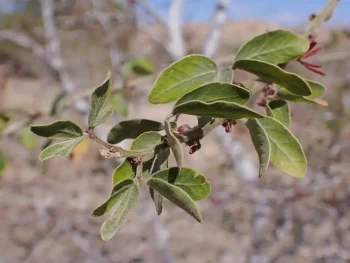
Monkeypod: A Sweet Tropical Addition to Your Garden
If you’ve ever wandered through a tropical landscape and noticed a charming tree with delicate, feathery foliage and curious curved seed pods, you might have encountered the monkeypod (Pithecellobium dulce). This adaptable plant has found its way into gardens across America’s warmest regions, bringing a touch of tropical flair wherever it grows.
What Exactly Is a Monkeypod?
The monkeypod is a perennial shrub that can grow into a small tree under the right conditions. Typically reaching 13 to 16 feet in height, this multi-stemmed woody plant creates an attractive, spreading canopy of compound leaves that give it an almost fern-like appearance. Despite its common name suggesting it’s related to pods that monkeys enjoy, the name actually refers to the sweet, edible pulp surrounding the bright red seeds inside its distinctive curved pods.
Where Does Monkeypod Call Home?
Originally native to tropical America—from Mexico down through Central America to northern South America—monkeypod has traveled far from its homeland. Today, you’ll find it naturalized and thriving in Florida, Hawaii, Texas, and several U.S. territories including Puerto Rico, Guam, Palau, and the U.S. Virgin Islands. It’s become quite the globetrotter, adapting well to its new homes while maintaining its tropical charm.
- Species observed
- No observations
The Appeal of Monkeypod in Your Landscape
What makes monkeypod attractive to gardeners? Several compelling features:
- Fragrant flowers: Small, white to pinkish flower clusters appear throughout the growing season, filling the air with a sweet fragrance
- Unique seed pods: The curved, twisted pods are conversation starters and reveal bright red seeds with white pulp
- Delicate foliage: Compound leaves create dappled shade and give the plant an elegant, fine-textured appearance
- Pollinator magnet: Bees, butterflies, and other beneficial insects love the nectar-rich flowers
Is Monkeypod Right for Your Garden?
Monkeypod works well in several landscape roles. Use it as a specimen tree to create a focal point, incorporate it into a tropical-themed garden, or plant it where you need a medium-sized shade tree. It’s particularly suited for:
- Tropical and subtropical gardens
- Xeriscape or drought-tolerant landscapes
- Coastal plantings (it tolerates salt spray reasonably well)
- Areas where you want to attract pollinators
Growing Conditions and Care
One of monkeypod’s best qualities is its easygoing nature. Here’s what it needs to thrive:
Climate: Hardy in USDA zones 9b through 11, monkeypod can handle brief cold snaps but may suffer frost damage in cooler areas.
Sunlight: Full sun is best, though it can tolerate some partial shade.
Soil: Remarkably adaptable to various soil types, including poor soils. Good drainage is appreciated but not absolutely essential.
Water: Once established, monkeypod is quite drought tolerant. The wetland status varies by region—it generally prefers upland conditions but can adapt to occasionally moist areas in some climates.
Planting and Maintenance Tips
Getting your monkeypod established is refreshingly straightforward:
- Plant in spring after the last frost danger has passed
- Water regularly during the first growing season to establish roots
- Once established, water only during extended dry periods
- Prune as needed to maintain desired size and shape
- Watch for the delightful seed pods and enjoy the show when they split open
A Word About Native Alternatives
While monkeypod can be a lovely addition to appropriate gardens, consider exploring native alternatives that might offer similar benefits while supporting local ecosystems. In Florida, native options like wild tamarind (Lysiloma latisiliquum) provide comparable tropical appeal. In Texas, consider native acacias or mesquites. Hawaii has numerous native trees that offer ecological benefits beyond what non-native species can provide.
The Bottom Line
Monkeypod brings undeniable charm to warm-climate gardens with its fragrant flowers, interesting seed pods, and graceful form. While it’s not native to the United States, it has proven to be a well-behaved addition to many landscapes. If you’re gardening in zones 9b-11 and looking for a low-maintenance tree with tropical flair, monkeypod might just be the sweet addition your garden needs. Just remember to research native alternatives too—your local wildlife will thank you for it!