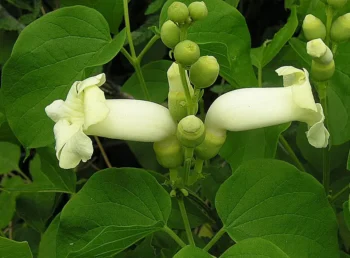
Monkey’s-Comb: An Exotic Climbing Vine for Warm Climate Gardens
If you’ve stumbled across the name monkey’s-comb and wondered what this intriguingly named plant might be, you’re in for a treat. Pithecoctenium, commonly known as monkey’s-comb, is a perennial climbing vine that brings a touch of tropical flair to gardens in warm climates.
What is Monkey’s-Comb?
Monkey’s-comb is a twining and climbing plant with relatively long stems that can develop woody or herbaceous growth depending on conditions. As a perennial, this vine will return year after year in suitable climates, making it a long-term addition to your garden landscape.
Native Status and Distribution
It’s important to know that monkey’s-comb is not native to the United States. This plant species has been introduced and now reproduces spontaneously in the wild without human intervention, establishing itself in natural areas. Currently, you’ll find Pithecoctenium growing in Florida, where the warm, humid climate suits its tropical origins.
- Species observed
- No observations
Should You Plant Monkey’s-Comb?
Before adding this climbing vine to your garden, there are several factors to consider. While monkey’s-comb can provide vertical interest and tropical appeal, its non-native status means it may not offer the same ecological benefits as indigenous plants.
Since detailed information about its invasive potential is limited, gardeners should exercise caution and research local regulations before planting. Many regions have restrictions on non-native species that can establish in wild areas.
Growing Conditions and Care
If you’re in a warm climate zone (likely USDA zones 9-11 based on its current distribution), monkey’s-comb may thrive in your garden. Like most tropical vines, it probably prefers:
- Warm, humid conditions
- Protection from cold temperatures
- Adequate support for its climbing growth habit
- Regular moisture during growing season
Garden Design Applications
As a climbing vine, monkey’s-comb can serve several roles in landscape design:
- Covering fences, arbors, or trellises
- Adding vertical interest to tropical-themed gardens
- Creating natural privacy screens when grown on structures
- Softening harsh architectural elements with flowing foliage
Consider Native Alternatives
Before choosing monkey’s-comb for your garden, consider exploring native climbing vines in your area. Native plants typically provide better support for local wildlife, require less maintenance once established, and contribute to the ecological health of your region.
For Florida gardeners, some excellent native climbing alternatives might include coral honeysuckle (Lonicera sempervirens) or native passion vines (Passiflora species), which offer both beauty and ecological benefits.
The Bottom Line
While monkey’s-comb may offer tropical appeal for warm climate gardens, its non-native status and limited available growing information make it a plant that requires careful consideration. If you’re drawn to climbing vines, researching native alternatives that support local ecosystems might be a more rewarding path for both your garden and the environment.
Always check with local extension services or native plant societies for the best climbing vine recommendations for your specific area and growing conditions.