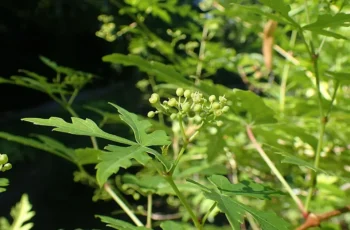
Monkshoodvine: A Fast-Growing Climber for Your Garden
If you’re looking for a vigorous vine to quickly cover an unsightly fence, bare wall, or garden structure, monkshoodvine (Ampelopsis aconitifolia) might catch your eye. This perennial climbing plant brings both charm and coverage to garden spaces, though it comes with some considerations worth knowing about.
What is Monkshoodvine?
Monkshoodvine is a twining, climbing plant that can develop woody or herbaceous stems as it matures. Its name comes from its distinctive palmate leaves that resemble those of monkshood plants. This vigorous grower is originally from Asia and has established itself in several U.S. states.
Where You’ll Find It Growing
While not native to North America, monkshoodvine has naturalized in several northeastern and mid-Atlantic states. You can find it growing wild in Connecticut, Massachusetts, New Jersey, New York, North Carolina, Ohio, and Pennsylvania, where it reproduces on its own without human intervention.
- Species observed
- No observations
Garden Appeal and Landscape Role
What makes monkshoodvine appealing to gardeners is its rapid growth and attractive foliage. The palmate leaves create interesting texture and provide quick coverage for:
- Fences and walls that need screening
- Arbors and pergolas
- Unsightly structures in need of camouflage
- Informal or naturalized garden areas
This vine works well in casual garden settings where a more relaxed, less manicured look is desired. Its vigorous nature makes it ideal for covering large areas relatively quickly.
Growing Conditions and Care
Monkshoodvine is quite adaptable and relatively easy to grow, thriving in USDA hardiness zones 5-8. Here’s what it prefers:
- Sunlight: Partial to full sun exposure
- Soil: Moist, well-draining soil, though it’s quite adaptable
- Water: Regular moisture, but becomes drought tolerant once established
- Space: Plenty of room to spread – this vine grows fast!
Planting and Maintenance Tips
When planting monkshoodvine, give it sturdy support structures since it can grow quite large. Regular pruning may be necessary to keep it within bounds and prevent it from overwhelming neighboring plants. The good news is that it’s generally low-maintenance once established.
Keep an eye on its growth pattern, as this vine can be quite enthusiastic about spreading. Annual pruning in late winter or early spring helps maintain its shape and prevents it from getting out of hand.
Benefits to Wildlife
While specific wildlife benefits aren’t well-documented for this species, like many vines, monkshoodvine likely provides some habitat and nesting sites for birds and small creatures. However, native alternatives would offer more significant ecological benefits to local wildlife.
Should You Plant It?
Monkshoodvine can be a useful addition to gardens where quick coverage is needed and space isn’t limited. However, since it’s not native to North America, consider these native alternatives that provide similar benefits while supporting local ecosystems:
- American groundnut (Apios americana)
- Wild grape (Vitis riparia)
- Virginia creeper (Parthenocissus quinquefolia)
- Trumpet vine (Campsis radicans)
If you do choose to grow monkshoodvine, be a responsible gardener by monitoring its spread and preventing it from escaping into natural areas. With proper management, it can serve its purpose while you enjoy its quick-growing, leafy coverage.
The Bottom Line
Monkshoodvine offers fast coverage and attractive foliage for gardeners who need to screen or cover structures quickly. While it’s not native and requires some management to prevent excessive spread, it can serve a useful purpose in the right garden setting. Just remember to consider native alternatives first, and if you do plant it, keep it contained and well-maintained.