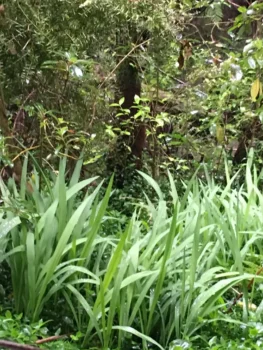
Montbretia: A Colorful Summer Bloomer That Knows How to Spread
If you’re looking for a perennial that delivers a punch of fiery color in mid to late summer, montbretia (Crocosmia ×crocosmiiflora) might just catch your eye. This herbaceous perennial has been winning over gardeners with its vibrant orange-red blooms and sword-like foliage, though it comes with a few quirks you should know about before planting.
What Exactly Is Montbretia?
Montbretia is actually a hybrid that was created in cultivation, with parent plants originally from South Africa. Sometimes you’ll see it listed under its synonym Tritonia ×crocosmiiflora, but don’t let that confuse you – it’s the same plant. As a perennial forb, it lacks woody stems but returns year after year from underground corms (bulb-like structures).
Where You’ll Find It Growing
This adaptable plant has made itself at home across North America, naturalizing in British Columbia, California, Florida, Georgia, Hawaii, Mississippi, North Carolina, Oregon, South Carolina, Texas, and Puerto Rico. It’s what botanists call non-native – meaning it was introduced from elsewhere and now reproduces on its own in the wild.
- Species observed
- No observations
The Good, The Beautiful, and The Spreadable
Let’s start with what makes montbretia appealing. From July through September, it produces arching sprays of tubular, bright orange-red flowers that practically glow in the garden. The blooms sit atop 2-4 foot tall stems, rising above fans of narrow, sword-shaped leaves. It’s a real showstopper that also makes excellent cut flowers.
Hummingbirds absolutely love the tubular blooms, and you’ll likely see butterflies visiting too. If you’re trying to create a pollinator-friendly space, montbretia can certainly contribute to the cause.
But here’s where things get interesting – montbretia has a talent for spreading. It naturalizes readily, which means it can pop up in places you didn’t originally plant it. Some gardeners love this free-spirited nature, while others find it a bit too enthusiastic.
Where Montbretia Fits in Your Garden
This perennial works beautifully in:
- Cottage-style gardens where a slightly wild look is welcome
- Mixed perennial borders for summer color
- Naturalized areas where spreading is actually desirable
- Cut flower gardens
- Areas where you want to attract hummingbirds
Growing Conditions and Care
Montbretia is fairly easygoing about its growing conditions. It thrives in USDA hardiness zones 5-9, handling both full sun and partial shade. The plant prefers moist, well-drained soil but shows remarkable adaptability – its wetland status varies by region, sometimes preferring wetland conditions and other times favoring drier upland sites.
Plant the corms in spring after the last frost, about 3-4 inches deep and 6 inches apart. Once established, montbretia is relatively low-maintenance, though you’ll want to divide the clumps every 3-4 years to prevent overcrowding and maintain vigor.
A Word About Spreading
While montbretia isn’t classified as invasive or noxious, its naturalizing tendency means it can spread beyond where you originally planted it. If you prefer plants that stay put, this might not be your best choice. However, if you like the idea of a self-sufficient perennial that gradually fills in an area with summer color, montbretia could be perfect.
Native Alternatives to Consider
If you love the idea of bright summer blooms but prefer native options, consider cardinal flower (Lobelia cardinalis) for that same fiery red color and hummingbird appeal, or native lilies like Turk’s cap lily (Lilium superbum) for similar height and summer flowering time.
The Bottom Line
Montbretia offers reliable summer color, attracts pollinators, and requires minimal care once established. Just be prepared for its wandering ways – this is a plant that likes to explore your garden on its own terms. If you can embrace that free spirit, you’ll be rewarded with years of vibrant blooms that light up the summer landscape.