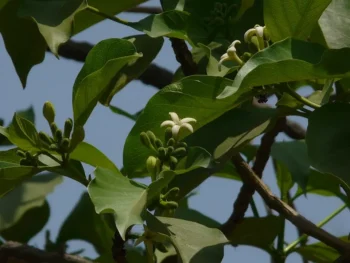
Morinda: Understanding This Tropical Shrub for Your Garden
If you’ve stumbled across the name morinda in your gardening research, you might be wondering what exactly this plant is and whether it belongs in your landscape. Let’s dive into what we know about this interesting tropical shrub and help you decide if it’s right for your garden.
What is Morinda?
Morinda is a perennial shrub that brings a tropical feel to any landscape. As a multi-stemmed woody plant, it typically grows to be less than 13-16 feet tall, though it can sometimes reach greater heights or develop a single stem depending on growing conditions. Think of it as a medium-sized shrub that can add some structural interest to your garden with its branching habit.
Where Does Morinda Grow?
Currently, you’ll find morinda growing in several warm-climate locations including Florida, Hawaii, Palau, Puerto Rico, and the U.S. Virgin Islands. The plant has an interesting relationship with different regions – it’s established itself as a non-native species that reproduces naturally in Puerto Rico and the U.S. Virgin Islands, while its status in Hawaii, the continental United States, and other Pacific Basin locations remains less defined.
- Species observed
- No observations
Is Morinda Right for Your Garden?
Here’s where things get a bit tricky. Since morinda represents a genus with multiple species rather than a single specific plant, making blanket recommendations becomes challenging. What we do know is that this shrub has established itself in tropical and subtropical regions, suggesting it thrives in warm, humid climates.
Native Plant Considerations
If you’re gardening in Puerto Rico or the U.S. Virgin Islands, it’s worth noting that morinda is considered non-native in these areas, even though it has naturalized. While we don’t have specific information about its invasive potential, responsible gardeners in these regions might want to consider native alternatives that provide similar aesthetic benefits while supporting local ecosystems.
For mainland U.S. gardeners, particularly those in Florida where morinda is present, researching native shrub alternatives could be beneficial for supporting local wildlife and maintaining ecological balance.
Growing Challenges and Unknowns
Unfortunately, specific growing information for the genus morinda as a whole is limited. Without knowing the exact species you’re considering, it’s difficult to provide precise care instructions, USDA hardiness zone recommendations, or specific planting tips.
If you’re interested in growing a morinda species, we’d recommend:
- Identifying the exact species you want to grow
- Researching that specific species’ needs and characteristics
- Checking with local extension services about its suitability for your area
- Considering native alternatives that provide similar benefits
The Bottom Line
While morinda might sound intriguing as a tropical shrub option, the lack of specific species information makes it challenging to provide definitive growing advice. Your best bet is to dig deeper into the specific morinda species that interests you, or better yet, explore native shrubs in your area that can provide similar aesthetic appeal while supporting your local ecosystem.
Remember, the most successful gardens often feature plants that are well-suited to their local conditions and support the surrounding environment. Happy gardening!