Mosquito Flatsedge: A Non-Native Sedge for Wet Garden Spots
If you’ve been searching for a grass-like plant that thrives in consistently moist conditions, you might have come across mosquito flatsedge (Cyperus prolixus). This perennial sedge has found its way into gardens across the southern United States, though it’s not originally from around these parts.
What is Mosquito Flatsedge?
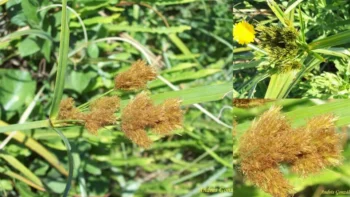
Mosquito flatsedge is a grass-like perennial that belongs to the sedge family (Cyperaceae). Don’t let the name fool you though – while it’s called a grass, it’s technically a sedge, which you can often tell by its triangular stems (remember the old saying: sedges have edges). This plant produces slender, fine-textured foliage with small, inconspicuous brownish flower clusters that won’t win any beauty contests but add subtle texture to the landscape.
Where Does It Grow?
Currently, mosquito flatsedge has established itself in Louisiana and Texas, where it reproduces on its own in the wild. However, it’s important to know that this plant isn’t native to the United States – it originally hails from tropical and subtropical regions of the Americas, including parts of South America and the Caribbean.
- Species observed
- No observations
The Native Status Question
Here’s where things get a bit complicated. While mosquito flatsedge isn’t native to our region, it’s also not currently listed as invasive or noxious. This puts it in a sort of gardening gray area. It’s what botanists call a naturalized plant – one that’s made itself at home but wasn’t originally invited to the party.
Garden Appeal and Uses
So why might you consider this plant? Mosquito flatsedge excels in wet conditions where many other plants struggle. In the Atlantic and Gulf Coastal Plain region, it’s classified as facultative for wetlands, meaning it’s equally happy in wet and moderately dry conditions. This flexibility makes it potentially useful for:
- Rain gardens and bioswales
- Pond edges and water features
- Areas with poor drainage
- Naturalistic landscapes where you want fine texture
Growing Conditions and Care
If you decide to grow mosquito flatsedge, it’s relatively low-maintenance once established. It prefers:
- Moist to wet soils (though it can handle some drying out)
- Full sun to partial shade
- USDA hardiness zones 8-11 (based on its current distribution)
- Areas that occasionally flood
The plant doesn’t require much fussing over – just ensure it has adequate moisture, especially during establishment.
Wildlife and Pollinator Value
Like most sedges, mosquito flatsedge is wind-pollinated rather than insect-pollinated, so it won’t be buzzing with bees and butterflies. However, sedges can provide some habitat value for certain wildlife species, though specific benefits for this species aren’t well-documented.
Consider Native Alternatives
Before settling on mosquito flatsedge, you might want to explore native sedge options that could provide similar benefits while supporting local ecosystems. Native alternatives might include regional Cyperus species or other indigenous sedges that naturally occur in your area’s wetlands.
The Bottom Line
Mosquito flatsedge isn’t going to be the star of your garden show, but it could be a reliable supporting player in wet areas where you need something tough and undemanding. Just remember that choosing native plants when possible helps support local wildlife and maintains the ecological integrity of your region. If you do grow this non-native sedge, keep an eye on it to ensure it doesn’t become overly aggressive in your particular garden conditions.
Whether you choose mosquito flatsedge or a native alternative, the key is finding the right plant for your specific wet garden challenges while being mindful of your local ecosystem.