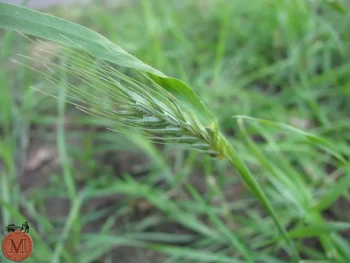
Mosquitograss: The Mystery Grass You’ve Probably Never Heard Of
If you’ve stumbled across the name mosquitograss in your gardening research, you’re likely scratching your head wondering what exactly this plant is. Don’t worry – you’re not alone! Mosquitograss (Dasypyrum) is one of those botanical mysteries that even seasoned gardeners rarely encounter.
What Is Mosquitograss?
Mosquitograss belongs to the world of graminoids – that’s gardening speak for grasses and grass-like plants. As an annual grass, it completes its entire life cycle within a single growing season, sprouting, growing, flowering, setting seed, and dying all within one year.
This little-known grass is a non-native species that has managed to establish itself in the wild, currently documented in Pennsylvania. While it can reproduce on its own without human intervention, it hasn’t spread extensively across the United States like some of its more aggressive grass cousins.
- Species observed
- No observations
The Challenge with Mosquitograss
Here’s where things get tricky for us gardeners: there’s remarkably little information available about mosquitograss. We don’t know much about its appearance, growing requirements, or whether it plays well with other plants in the garden. This lack of documentation makes it difficult to recommend for home landscapes.
Should You Plant Mosquitograss?
Given the limited information available about this grass, most gardeners would be better served choosing well-documented alternatives. Since mosquitograss is non-native and we don’t fully understand its behavior in garden settings, it’s wise to err on the side of caution.
Better Native Alternatives
Instead of gambling with mosquitograss, consider these fantastic native grass options that will give you reliable results:
- Little bluestem – A beautiful prairie grass with stunning fall color
- Buffalo grass – Perfect for low-maintenance lawns in dry areas
- Blue grama – Drought-tolerant with interesting seed heads
- Switchgrass – Tall and elegant, great for privacy screens
The Bottom Line
While mosquitograss might sound intriguing, the lack of available information makes it a poor choice for most gardeners. Native grasses offer proven performance, support local wildlife, and come with plenty of growing guidance from fellow gardeners and extension services.
When in doubt, stick with native plants that have stood the test of time in your local ecosystem. Your garden – and the local wildlife – will thank you for it!