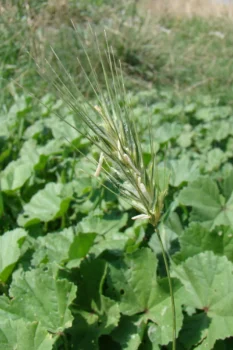
Mosquitograss: What Every Gardener Should Know About This Mediterranean Grass
If you’ve stumbled across the name mosquitograss in your gardening research, you might be wondering what this curious-sounding plant is all about. Despite its intriguing common name, Dasypyrum villosum (mosquitograss) isn’t exactly the showstopper you might expect in your garden beds.
What Is Mosquitograss?
Mosquitograss is an annual grass that originally hails from the Mediterranean region. This graminoid (that’s just a fancy way of saying grass-like plant) belongs to the same family as wheat and barley, though it’s far less impressive than its agricultural cousins. You might also see it referred to by its scientific synonyms Agropyron villosum or Haynaldia villosa in older botanical references.
Where Does Mosquitograss Grow?
In the United States, mosquitograss has established itself as a non-native species that reproduces on its own in the wild. Currently, it’s been documented in Pennsylvania, though its presence may be more widespread than records indicate. As an introduced species, it has managed to naturalize without human intervention, which means it’s found its niche in American ecosystems.
- Species observed
- No observations
Should You Plant Mosquitograss in Your Garden?
Here’s where things get interesting (or perhaps not so interesting). Mosquitograss isn’t exactly winning any beauty contests in the plant world. As an annual grass with limited ornamental appeal, it doesn’t offer much in terms of:
- Showy flowers or attractive seed heads
- Striking foliage color or texture
- Significant wildlife habitat value
- Pollinator support (it’s wind-pollinated)
While we don’t have definitive information about its invasive potential, the fact that it’s already established and spreading without human help suggests caution might be wise.
Better Native Alternatives
Instead of mosquitograss, consider these native grass options that offer genuine benefits to your garden and local wildlife:
- Little bluestem – Beautiful fall color and excellent wildlife habitat
- Buffalo grass – Perfect for low-maintenance lawns in appropriate climates
- Purple needlegrass – Stunning purple seed heads and drought tolerance
- Switch grass – Tall, architectural presence with fall interest
Growing Conditions and Care
If you’re encountering mosquitograss in your landscape (rather than intentionally planting it), it likely means you have disturbed soil conditions that favor opportunistic species. This annual grass tends to pop up in areas where the soil has been disrupted, making it more of a volunteer than a welcome guest.
The plant appears to be fairly adaptable to different growing conditions, which explains its ability to establish in various locations. However, without specific cultivation information, it’s difficult to provide detailed growing instructions—and honestly, there are so many better options available!
The Bottom Line
Mosquitograss might have an amusing name, but it’s not going to be the star of your garden show. As a non-native annual grass with limited aesthetic and ecological value, it falls into the category of plants that are more interesting from a botanical perspective than a gardening one.
Your garden space is precious real estate, so why not fill it with native plants that will truly shine? Choose grasses that support local pollinators, provide stunning seasonal interest, and contribute to the health of your local ecosystem. Your garden—and the wildlife that visits it—will thank you for making thoughtful, native plant choices.