Moth Orchid: Beautiful but Not Native – Here’s What You Should Know
If you’ve ever admired the elegant, butterfly-like blooms of a moth orchid gracing someone’s windowsill, you’re not alone. These stunning orchids have captured hearts worldwide with their graceful arching stems and long-lasting flowers. But before you rush to add one to your garden, there’s something important every native gardening enthusiast should know.
What Exactly is a Moth Orchid?
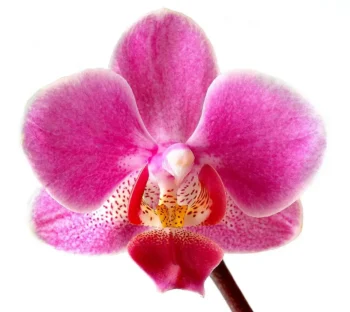
The moth orchid (Phalaenopsis) gets its charming common name from its flowers, which flutter like delicate moths when caught in a gentle breeze. These orchids are members of the monocot family and produce some of the most recognizable orchid blooms you’ll find in garden centers and flower shops.
With their thick, leathery leaves and spectacular flower spikes that can bloom for months, moth orchids have become the poster child for orchid growing. Their flowers come in pristine whites, soft pinks, deep purples, and sunny yellows, often with intricate patterns and markings.
The Native Status Reality Check
Here’s where things get interesting for native plant enthusiasts: moth orchids aren’t native to North America at all. These beauties call Southeast Asia, the Philippines, and northern Australia home, where they grow as epiphytes (air plants) clinging to tree branches in humid tropical forests.
In their native habitat, moth orchids play important ecological roles, providing nectar for specific moths and other pollinators that have co-evolved with them over thousands of years. However, in North American gardens, they don’t offer the same wildlife benefits that our local ecosystems depend on.
Growing Moth Orchids: Indoor Beauty Only
If you live anywhere with winter temperatures, moth orchids are strictly houseplants. They thrive in USDA hardiness zones 10-12, which limits outdoor cultivation to the warmest parts of Florida, Hawaii, and similar tropical climates.
Care Requirements
Moth orchids have some quirky growing needs that differ dramatically from typical garden plants:
- Bright, indirect light (think of filtered forest light in their native habitat)
- High humidity levels around 50-70%
- Special orchid bark mix instead of regular potting soil
- Weekly watering with excellent drainage
- Monthly feeding with diluted orchid fertilizer
- Consistent temperatures between 65-80°F
The Native Alternative Perspective
While moth orchids are undeniably gorgeous and not considered invasive, native plant gardeners might want to consider our spectacular native orchids instead. North America boasts incredible native orchid species like lady slippers, wild bergamot, and various native terrestrial orchids that support local wildlife and are adapted to regional growing conditions.
Native orchids offer the added benefit of supporting local pollinators, birds, and other wildlife that have evolved alongside these plants. They’re also better adapted to local climate conditions and often require less intensive care once established.
The Bottom Line
Moth orchids make wonderful houseplants and conversation pieces, but they won’t contribute to your local ecosystem or native wildlife habitat. If you’re passionate about supporting native biodiversity, consider exploring native orchid species or other native flowering plants that can provide similar aesthetic appeal while benefiting local wildlife.
That said, if you’re drawn to the exotic beauty of moth orchids and enjoy the challenge of orchid care, they make excellent indoor companions. Just remember that your local bees, butterflies, and birds will get more benefit from that native wildflower garden you’ve been planning!