Mother of Thousands: The Tiny Ground Cover That’s Taking Over Gardens
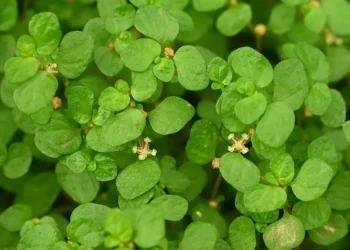
If you’ve ever wondered what it would look like if moss had a baby with ivy, let me introduce you to mother of thousands (Soleirolia soleirolii). This petite but mighty ground cover has been charming gardeners and, well, sometimes driving them a little crazy with its enthusiastic spreading habits. Whether you’re considering adding this diminutive beauty to your garden or trying to figure out what that carpet of tiny leaves is in your yard, here’s everything you need to know.
What Exactly Is Mother of Thousands?
Mother of thousands, also known by its scientific name Soleirolia soleirolii (and formerly called Helxine soleirolii), is a perennial forb that creates dense, moss-like mats of the tiniest leaves you’ve ever seen. Each leaf is barely bigger than a pinhead, but together they form a lush, green carpet that can transform any shaded spot into something magical.
This little plant is a non-native species that originally hails from the Mediterranean islands of Corsica and Sardinia. It has since made itself at home in various parts of the world, including California in the United States, where it grows and reproduces on its own in the wild.
- Species observed
- No observations
The Good, The Enthusiastic, and The Considerations
Let’s be honest – mother of thousands is a bit of an overachiever. Here’s what makes it appealing and what you should know before planting:
Why Gardeners Love It:
- Creates a beautiful, uniform carpet of tiny green leaves
- Thrives in shade where many other plants struggle
- Perfect for containers, terrariums, and hanging baskets
- Requires minimal care once established
- Hardy in USDA zones 9-11
- Adds a delicate, almost fairy-tale quality to gardens
What to Consider:
- Spreads very rapidly and can become difficult to contain
- May outcompete native plants in favorable conditions
- Can be challenging to remove once established
- Limited wildlife benefits compared to native alternatives
Growing Mother of Thousands Successfully
If you decide to grow mother of thousands, here’s how to keep it happy (and hopefully somewhat contained):
Ideal Growing Conditions:
- Light: Partial to full shade – direct sunlight can scorch those delicate leaves
- Soil: Moist, well-draining soil with good organic content
- Water: Consistent moisture is key – it doesn’t like to dry out
- Humidity: Prefers higher humidity levels
- Temperature: Best in USDA hardiness zones 9-11
Planting and Care Tips:
- Plant in containers or defined areas to control spread
- Water regularly but ensure good drainage to prevent root rot
- Trim back regularly to maintain desired size and shape
- Fertilize lightly in spring with a balanced, diluted fertilizer
- Divide clumps in spring or fall if growing in containers
Native Alternatives to Consider
If you love the idea of a low-growing, shade-tolerant ground cover but want to support local ecosystems, consider these native alternatives:
- Wild ginger species for similar low-growing habit in shade
- Native sedges for texture and wildlife benefits
- Creeping phlox for colorful flowers and pollinator support
- Native moss species for that same delicate, carpet-like appearance
The Bottom Line
Mother of thousands is undeniably charming with its miniature leaves and ability to transform difficult shady spots. However, its enthusiastic spreading nature means it’s best suited for containers, controlled areas, or gardeners who don’t mind a plant that really, really likes to make itself at home.
If you’re looking for something to support local wildlife and ecosystems, native ground covers might be a better choice. But if you’re drawn to this tiny Mediterranean beauty, just remember – a little mother of thousands can quickly become a lot of mother of thousands, so plan accordingly!
Whether you choose to embrace this diminutive spreader or opt for native alternatives, the key is making an informed decision that works for your garden, your maintenance preferences, and your local ecosystem.