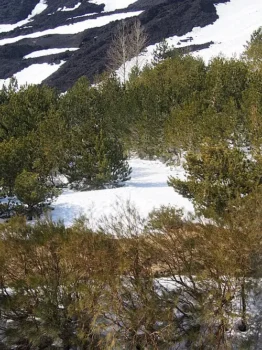
Mt. Etna Broom: A Mediterranean Beauty for Drought-Tolerant Gardens
Looking for a show-stopping flowering shrub that laughs in the face of drought? Meet Mt. Etna broom (Genista aetnensis), a graceful Mediterranean native that’s been winning hearts in California gardens with its cascade of golden blooms and elegant, weeping form.
What is Mt. Etna Broom?
Mt. Etna broom is a perennial shrub that typically grows 13-16 feet tall, though it can sometimes stretch taller under ideal conditions. This multi-stemmed woody plant gets its name from its native home around Mount Etna in Sicily, where it has adapted to volcanic soils and harsh Mediterranean conditions.
As a non-native species, Mt. Etna broom has established itself in California, where it reproduces naturally without human intervention. While it’s not considered invasive, it’s worth noting that this plant isn’t native to North America.
Geographic Distribution
In the United States, Mt. Etna broom has naturalized primarily in California, where the Mediterranean-like climate suits its needs perfectly.
- Species observed
- No observations
Why Gardeners Love (and Sometimes Question) Mt. Etna Broom
The Appeal
- Spectacular blooms: In late spring and early summer, the entire plant becomes a fountain of fragrant, bright yellow flowers
- Drought champion: Once established, it requires minimal water, making it perfect for water-wise gardens
- Graceful form: Its weeping, fountain-like branching pattern adds elegant structure to the landscape
- Pollinator magnet: Bees and other pollinators flock to its abundant blooms
- Low maintenance: Thrives with minimal care once established
Things to Consider
- Non-native status: While not invasive, it’s not supporting native ecosystems
- Size: Can grow quite large, so plan for adequate space
- Wind sensitivity: May need protection in very windy locations
Perfect Garden Roles
Mt. Etna broom shines in several landscape scenarios:
- Specimen plant: Makes a stunning focal point in Mediterranean-style gardens
- Xeriscape gardens: Perfect for water-wise landscaping
- Coastal gardens: Tolerates salt air and sandy soils
- Slope stabilization: Helps prevent erosion on hillsides
- Privacy screening: Can be used as an informal hedge or screen
Growing Mt. Etna Broom Successfully
Climate Requirements
Mt. Etna broom thrives in USDA hardiness zones 8-10, making it suitable for warmer regions with mild winters.
Ideal Growing Conditions
- Sunlight: Full sun is essential for best flowering
- Soil: Well-draining soil is crucial; tolerates poor, rocky, or sandy soils
- Water: Drought-tolerant once established; avoid overwatering
- Wind: Protect from strong, constant winds
Planting and Care Tips
- Planting time: Fall or early spring for best establishment
- Spacing: Allow 10-15 feet between plants for mature size
- Watering: Water regularly first year, then reduce significantly
- Pruning: Light pruning after flowering helps maintain shape
- Fertilizing: Generally unnecessary; too much fertilizer can reduce flowering
Wildlife and Pollinator Benefits
While not native, Mt. Etna broom does provide some benefits to local wildlife. Its abundant flowers attract bees, butterflies, and other pollinators during bloom time, offering nectar when many other plants aren’t flowering.
Native Alternatives to Consider
If you’re looking to support native ecosystems, consider these beautiful native alternatives that offer similar benefits:
- Ceanothus species (California lilac): Drought-tolerant with spectacular blue or white flowers
- Fremontodendron californicum (Flannel bush): Golden flowers and excellent drought tolerance
- Lupinus species (Native lupines): Beautiful spikes of colorful flowers
- Eriogonum species (Buckwheat): Long-blooming and excellent for pollinators
The Bottom Line
Mt. Etna broom can be a stunning addition to Mediterranean and drought-tolerant gardens, offering spectacular seasonal color and graceful year-round structure. While it’s not native, it’s not considered problematic either. If you choose to grow it, you’ll be rewarded with a relatively low-maintenance plant that puts on quite a show.
However, if supporting native ecosystems is important to you, consider exploring the many beautiful native alternatives that can provide similar aesthetic benefits while supporting local wildlife and maintaining regional ecological balance.