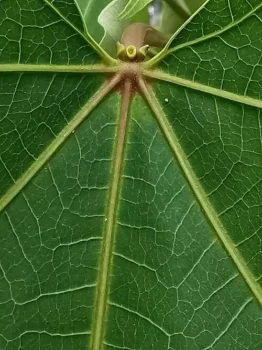
Mu Oil Tree: A Tropical Shade Provider with an Interesting History
If you’re wandering through Hawaii and spot a large tree with distinctive heart-shaped leaves, you might be looking at a mu oil tree (Vernicia montana). This non-native species has made itself quite at home in the Hawaiian islands, where it grows as a naturalized resident. But should you consider adding one to your own tropical landscape? Let’s dive into what makes this tree tick.
What Exactly Is a Mu Oil Tree?
The mu oil tree, scientifically known as Vernicia montana, is a perennial woody tree that typically grows over 13-16 feet tall with a single trunk. Originally from China and Southeast Asia, this tree belongs to the spurge family and is known for producing oil-rich seeds that have historically been used for various purposes.
You might also encounter this tree under several botanical synonyms, including Aleurites montana and Aleurites montanus, which can make identification a bit tricky when you’re doing research.
Where Does It Grow?
In the United States, you’ll primarily find mu oil trees in Hawaii, where they’ve established themselves as non-native residents that reproduce without human intervention. The species thrives in USDA hardiness zones 9-11, making it suitable only for the warmest regions of the country.
- Species observed
- No observations
What Does It Look Like?
The mu oil tree is quite the showstopper with its large, heart-shaped leaves that create dense, tropical-looking foliage. During flowering season, it produces clusters of small, yellowish flowers that give way to large, woody fruits containing the oil-rich seeds the tree is named for. The overall effect is distinctly tropical and can add serious shade and visual impact to a landscape.
Garden Role and Landscape Use
This tree works best as a specimen plant or shade tree in tropical and subtropical landscapes. Its substantial size and dense canopy make it excellent for:
- Creating shade in large yards or estates
- Serving as a focal point in tropical-themed gardens
- Providing structure in informal, naturalistic landscapes
- Adding height and drama to spacious outdoor areas
Growing Conditions and Care
Mu oil trees are relatively adaptable but do have some preferences. They typically perform best in:
- Well-draining soils (they’re classified as facultative upland, meaning they usually prefer non-wetland conditions)
- Full sun to partial shade exposure
- Warm, frost-free climates
- Areas with regular moisture, especially when young
Once established, these trees are fairly low-maintenance, though young plants benefit from regular watering as they develop their root systems.
Benefits for Wildlife
The flowers of mu oil trees attract various insects, providing some pollinator support in tropical landscapes. However, as a non-native species, it may not provide the same level of ecological benefits as indigenous plants.
Should You Plant One?
Here’s where things get interesting. While mu oil trees aren’t currently listed as invasive or problematic, they are non-native to the United States. If you’re gardening in Hawaii or other suitable climates, you might consider native alternatives that provide similar benefits while supporting local ecosystems.
Some native Hawaiian alternatives to consider include:
- Native Hawaiian trees like koa (Acacia koa) for large shade trees
- Kukui (Aleurites moluccanus) for similar oil-producing characteristics
- Other indigenous species that provide comparable landscape value
If you do choose to grow a mu oil tree, source it responsibly and be mindful of its potential to spread beyond your intended planting area.
The Bottom Line
The mu oil tree is an impressive specimen that can add tropical flair and substantial shade to warm-climate gardens. While it’s not native to the United States, it’s not currently flagged as problematic either. Just remember that choosing native plants when possible helps support local wildlife and maintains the ecological integrity of your region. Whether you go with mu oil tree or a native alternative, you’ll be adding serious tropical impact to your landscape!