Multiflora Rose: The Pretty Invader You Should Avoid in Your Garden
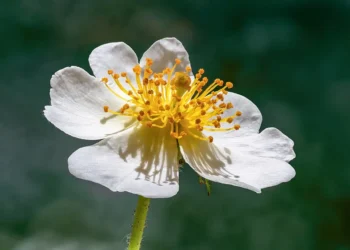
If you’ve ever encountered a thorny, sprawling shrub covered in clusters of small white flowers and bright red berries, you might have met the multiflora rose (Rosa multiflora). While this perennial subshrub might look charming at first glance, it’s actually one of the most problematic invasive plants across North America – and definitely not something you want to invite into your garden.
What is Multiflora Rose?
Multiflora rose, also known by its botanical name Rosa multiflora, is a non-native perennial subshrub that was originally introduced from Eastern Asia. Despite being a relatively low-growing shrub that typically stays under 1.5 feet tall (though it can reach up to 3 feet), this plant packs a serious invasive punch. It reproduces spontaneously in the wild without any human help and has become a persistent problem across much of North America.
Where You’ll Find This Invasive Rose
Rosa multiflora has spread far and wide across North America, establishing populations in 44 states plus several Canadian provinces including British Columbia, New Brunswick, Nova Scotia, Ontario, and Quebec. From Alabama to Wisconsin, and from California to Maine, this aggressive spreader has made itself at home in diverse climates and conditions.
- Species observed
- No observations
Why You Should Avoid Planting Multiflora Rose
Here’s where things get serious – multiflora rose isn’t just a garden nuisance, it’s officially recognized as invasive in multiple states:
- Alabama: Category 1 invasive species and Class C noxious weed
- Connecticut: Invasive and prohibited
- Delaware: Invasive species
- Michigan: Invasive species
- Missouri: Invasive species
- New Hampshire: Prohibited species
- North Carolina: Invasive species
- Wisconsin: Restricted species
When a plant has this many strikes against it, there’s clearly a problem! Multiflora rose aggressively outcompetes native plants, forming dense thickets that crowd out beneficial species and disrupt local ecosystems.
Growing Conditions (And Why That’s Part of the Problem)
One reason multiflora rose is such a successful invader is its adaptability. This hardy perennial thrives in USDA zones 5-9 and tolerates a wide range of conditions. According to wetland status classifications, it’s typically found in non-wetland areas (facultative upland) across most regions, though it can occasionally pop up in wetlands too. Its drought tolerance and ability to grow in various soil types make it frustratingly persistent once established.
Wildlife Impact: It’s Complicated
While multiflora rose does provide some wildlife benefits – offering 5-10% of the diet for large animals and terrestrial birds, and 2-5% for small mammals – these benefits don’t outweigh the ecological damage it causes. Native plants provide much better, more specialized support for local wildlife while maintaining ecosystem balance.
Better Alternatives for Your Garden
Instead of planting this invasive species, consider these native rose alternatives that provide similar aesthetic appeal without the ecological baggage:
- Wild rose (Rosa virginiana) – offers beautiful pink flowers and bright hips
- Swamp rose (Rosa palustris) – perfect for moisture-loving gardens
- Prairie rose (Rosa arkansana) – great for drier conditions
- Pasture rose (Rosa carolina) – compact and lovely for smaller spaces
If You Already Have Multiflora Rose
Found this invasive rose on your property? The best approach is removal. Cut stems close to the ground and treat with appropriate herbicide, or dig up smaller plants entirely. Remember to dispose of plant material responsibly – don’t compost it or dump it where it can spread further.
The Bottom Line
While multiflora rose might seem like an attractive, low-maintenance shrub option, its invasive nature makes it a poor choice for responsible gardeners. By choosing native alternatives instead, you’ll create a more sustainable landscape that truly supports local wildlife and ecosystems. Your garden – and your local environment – will thank you for it!