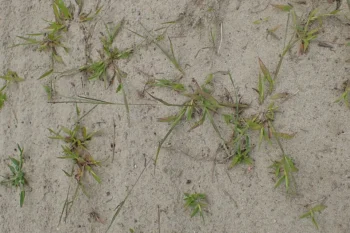
Murainagrass: What You Need to Know About This Tropical Grass
If you’ve stumbled across the term murainagrass in your gardening research, you might be wondering what exactly this plant is and whether it belongs in your landscape. Murainagrass (Ischaemum) is a genus of grasses that’s been quietly making its presence known in various parts of the United States, though it’s not exactly what you’d call a household name in the gardening world.
The Basics: What Is Murainagrass?
Murainagrass belongs to the grass family (Poaceae) and can be either annual or perennial, depending on the specific conditions and climate where it’s growing. Like many grasses, it has that characteristic narrow-leaved, upright growth habit that makes it blend into the background of most landscapes – it’s definitely not a showstopper in the ornamental department.
Where Does Murainagrass Come From?
Here’s where things get interesting: murainagrass isn’t actually native to the United States. This grass originally hails from tropical and subtropical regions of Asia, Africa, and Australia. However, it’s managed to establish itself as a non-native species that reproduces on its own in the wild here in America, particularly in the lower 48 states.
Currently, you can find murainagrass growing in Hawaii, Maryland, and even as far as Palau. It’s one of those plants that seems to have a knack for adapting to new environments and making itself at home.
- Species observed
- No observations
Should You Plant Murainagrass?
This is where we need to have an honest conversation. While murainagrass isn’t currently flagged as invasive or noxious (at least not in available records), it’s important to remember that it’s a non-native species with a tendency to spread on its own. As responsible gardeners, we should always consider the potential impacts of introducing non-native plants to our landscapes.
Better Native Alternatives
Instead of murainagrass, consider these fantastic native grass options that will provide similar benefits while supporting local ecosystems:
- Little bluestem (Schizachyrium scoparium) – beautiful fall color and excellent for wildlife
- Buffalo grass (Bouteloua dactyloides) – drought-tolerant and low-maintenance
- Purple needlegrass (Stipa pulchra) – California’s state grass with gorgeous seed heads
- Switchgrass (Panicum virgatum) – tall, elegant, and loved by birds
If You Decide to Grow Murainagrass
Should you choose to work with murainagrass despite its non-native status, here’s what you need to know:
Growing Conditions
Murainagrass thrives in tropical and subtropical climates, making it suitable for USDA hardiness zones 9-11. It prefers full sun and can tolerate a variety of soil types. Once established, it’s quite drought-tolerant, which makes it relatively low-maintenance.
Care and Maintenance
The good news is that murainagrass doesn’t demand much attention. It’s a fairly self-sufficient grass that, once established, can pretty much take care of itself. However, keep in mind that it may self-seed readily, so you’ll want to monitor its spread.
Wildlife and Pollinator Benefits
Let’s be honest – murainagrass isn’t going to win any awards for supporting pollinators. Like most grasses, it’s wind-pollinated and doesn’t offer much in the way of nectar or pollen for our buzzing friends. If you’re looking to create a pollinator-friendly garden, you’d be better off choosing native wildflowers and flowering shrubs.
The Bottom Line
Murainagrass is one of those plants that falls into the meh category – it’s not terrible, but it’s not particularly exciting either. While it can serve a functional role in certain landscapes, especially for erosion control or naturalized areas in tropical climates, there are usually better native options available that will provide the same benefits while supporting local wildlife.
If you’re passionate about creating a landscape that truly benefits your local ecosystem, consider skipping the murainagrass and opting for native grasses instead. Your local birds, butterflies, and other wildlife will thank you for it!