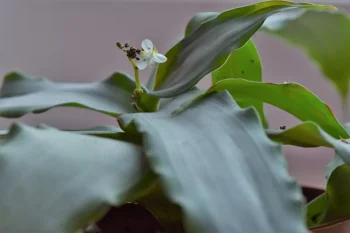
Murdannia loriformis: A Mystery Plant Worth Investigating
Ever stumbled across a plant name that seems to exist in the shadows of botanical literature? Meet Murdannia loriformis, a species that’s proving to be quite the enigma in the gardening world. While the name suggests it belongs to the Murdannia genus—a group of charming dayflower relatives—this particular species epithet is surprisingly elusive in mainstream horticultural resources.
The Name Game: What We Know (And Don’t Know)
Here’s where things get interesting (and a bit frustrating for us plant nerds). While Murdannia is a well-established genus in the spiderwort family, containing several species of attractive flowering plants, loriformis as a species name within this genus doesn’t appear in major botanical databases or gardening references. This could mean a few things:
- It might be a regional or local name that hasn’t made it into widespread use
- It could be a synonym for another, more commonly recognized species
- There might be a taxonomic mix-up somewhere along the line
The Murdannia Family: What to Expect
While we can’t give you specific details about Murdannia loriformis, we can tell you about its plant family. Murdannia species are typically small, herbaceous perennials known for their three-petaled flowers and grass-like foliage. They’re generally low-maintenance plants that can add subtle beauty to garden settings.
A Word of Caution for Gardeners
Without clear identification and verified information about Murdannia loriformis, we can’t recommend specific growing conditions, care instructions, or even whether it’s suitable for your garden. If you’ve encountered this name through a plant supplier or fellow gardener, we’d strongly suggest:
- Requesting additional identification information or photos
- Consulting with local botanical experts or extension services
- Considering well-documented native alternatives in the spiderwort family
Better Safe Than Sorry
In the world of native gardening, accurate plant identification is crucial. Without knowing the true identity, native status, or growing requirements of this particular plant, it’s impossible to give you the reliable advice you deserve. Instead of taking a gamble on an uncertain species, consider exploring well-documented native plants in the Commelinaceae (spiderwort) family that are known to thrive in your region.
The Bottom Line
While botanical mysteries can be intriguing, they’re not always the best choice for your garden. Until more information surfaces about Murdannia loriformis, we’d recommend sticking with tried-and-true native species that come with clear growing guides and known benefits for local wildlife. Your garden (and local ecosystem) will thank you for choosing plants with well-documented credentials.
Have you encountered this mysterious plant name in your gardening adventures? We’d love to hear about your experiences and help solve this botanical puzzle together!