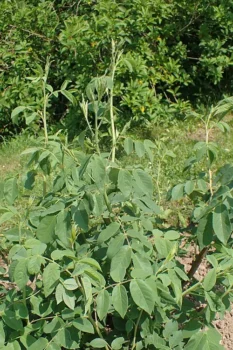
Musk Rose: A Fragrant Non-Native with Old-World Charm
If you’ve ever dreamed of a garden filled with the intoxicating fragrance of old roses, Rosa moschata (commonly known as musk rose) might have caught your attention. This perennial rose brings a touch of Mediterranean romance to American gardens, though it comes with some important considerations for the conscientious gardener.
What Is Musk Rose?
Musk rose is a non-native perennial subshrub that has made itself at home in parts of the United States. Despite its botanical classification suggesting a small shrub under 1.5 feet tall, this rose can actually climb and sprawl much more extensively in garden settings. It’s known for its distinctive musky fragrance that becomes more pronounced in the evening hours.
Where Does It Grow?
Originally from Western and Central Asia and the Mediterranean region, musk rose has established itself in Alabama, Illinois, and Puerto Rico, where it reproduces spontaneously in the wild. This adaptability shows both its resilience and its potential to naturalize beyond cultivation.
- Species observed
- No observations
Garden Appeal and Aesthetics
Musk rose offers several attractive features that appeal to gardeners:
- Fragrant white to pale pink flowers that bloom in clusters
- Simple, five-petaled blooms with an old-fashioned charm
- Attractive red hips that develop in fall, providing winter interest
- Climbing or sprawling growth habit that can cover substantial area
- Evening fragrance that intensifies as temperatures cool
Garden Role and Design Uses
This versatile rose works well in several garden settings:
- Cottage gardens where its informal growth habit fits perfectly
- Mediterranean-style landscapes
- Naturalistic gardens that embrace a wilder aesthetic
- As groundcover for slopes or difficult areas
- Trained on arbors, fences, or other supports
Growing Conditions and Care
Musk rose is refreshingly low-maintenance once established. It thrives in USDA hardiness zones 6-9 and prefers:
- Full sun to partial shade (at least 6 hours of direct sunlight)
- Well-draining soil of average fertility
- Drought tolerance once root system is established
- Minimal pruning requirements
- Occasional watering during extended dry periods
Planting and Care Tips
For successful establishment:
- Plant in spring or fall when temperatures are moderate
- Choose a location with good air circulation to prevent disease
- Water regularly during the first growing season
- Apply a light mulch around the base to retain moisture
- Prune minimally – just remove dead or damaged canes
Benefits for Pollinators
Despite being non-native, musk rose does provide some ecological benefits. Its fragrant flowers attract bees, butterflies, and other pollinators, while the fall hips can provide food for birds.
Should You Plant It?
While musk rose isn’t invasive or noxious, it is a non-native species that has shown the ability to naturalize and spread beyond cultivation. As a responsible gardener, you might consider these factors:
The choice to plant musk rose depends on your gardening philosophy and local conditions. If you’re drawn to its fragrance and old-world charm, it can be a lovely addition to the right garden setting.
Native Alternatives to Consider
If you’re interested in supporting local ecosystems, consider these native rose alternatives:
- Wild roses native to your specific region
- Regional native climbing or sprawling plants with similar aesthetic appeal
- Native plants that provide similar evening fragrance
Before planting, check with your local extension office or native plant society for the best regional alternatives that would provide similar garden benefits while supporting local wildlife and ecosystems.