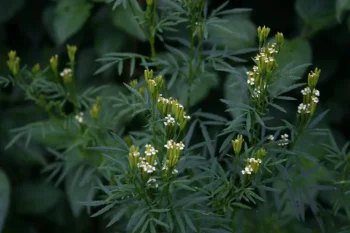
Muster John Henry: An Unusual Annual Herb Worth Knowing
If you’ve stumbled across the curious name muster John Henry in your gardening adventures, you’ve discovered one of the more uniquely named plants in the herb world. This towering annual, scientifically known as Tagetes minuta, is quite different from the compact marigolds most gardeners know and love. With its impressive height and distinctive aroma, muster John Henry brings both intrigue and practical benefits to the garden.
What Exactly is Muster John Henry?
Muster John Henry is an annual forb – essentially a non-woody herbaceous plant that completes its entire life cycle in one growing season. Originally hailing from South America, this plant has made itself at home across various regions of North America, though it’s considered non-native throughout its current range.
You might also encounter this plant listed under several botanical synonyms, including Tagetes bonariensis, Tagetes glandulifera, and Tagetes porophylla, which can make plant identification a bit of a puzzle for gardeners trying to track down seeds or information.
Where Does It Grow?
This adaptable annual has established itself across a surprisingly wide geographic range in North America. You’ll find muster John Henry growing in Alabama, California, Connecticut, Florida, Georgia, Hawaii, Maryland, Massachusetts, North Carolina, Pennsylvania, South Carolina, Virginia, and even parts of Ontario, Canada.
- Species observed
- No observations
Should You Grow Muster John Henry?
The decision to grow muster John Henry depends largely on what you’re looking for in your garden. Here are some considerations:
Reasons You Might Want to Grow It:
- Impressive height (3-6 feet) makes it an excellent back-of-border plant
- Strong aromatic foliage that many gardeners find pleasant
- Attracts beneficial insects to the garden
- Historically used as a companion plant for pest management
- Thrives in full sun and well-drained conditions
- Drought tolerant once established
- Self-seeds readily, providing plants for following years
Potential Drawbacks:
- Can self-seed aggressively in ideal conditions
- Very tall growth may overwhelm smaller garden spaces
- Strong scent isn’t appealing to everyone
- As a non-native species, it doesn’t support native wildlife as effectively as indigenous plants
Growing Muster John Henry Successfully
If you decide to give muster John Henry a try, you’ll find it’s refreshingly low-maintenance. This annual herb is quite forgiving and adapts well to various growing conditions.
Ideal Growing Conditions:
- Sunlight: Full sun (6+ hours of direct sunlight daily)
- Soil: Well-draining soil of average fertility
- Water: Moderate water needs; drought tolerant once established
- Climate: Suitable for USDA hardiness zones 2-11 as an annual
Planting and Care Tips:
- Direct sow seeds in spring after the last frost date
- Plant seeds about ¼ inch deep in prepared soil
- Space plants 12-18 inches apart to accommodate their eventual size
- Water regularly during establishment, then reduce frequency
- Deadhead spent flowers to prevent excessive self-seeding if desired
- Harvest leaves for aromatic purposes throughout the growing season
Native Alternatives to Consider
While muster John Henry can be an interesting addition to the garden, native plant enthusiasts might prefer indigenous alternatives that provide similar benefits while supporting local ecosystems. Consider these native options:
- Wild bergamot (Monarda fistulosa) for aromatic foliage and pollinator appeal
- Anise hyssop (Agastache foeniculum) for height and fragrance
- Native sunflowers (Helianthus species) for impressive stature and wildlife benefits
- Culver’s root (Veronicastrum virginicum) for tall, architectural presence
The Bottom Line
Muster John Henry is an intriguing annual that offers both ornamental and practical value in the right garden setting. While it’s not native to North America, it can be grown responsibly with proper management of its self-seeding tendencies. Whether you choose to grow this unusual herb or opt for native alternatives, the key is selecting plants that align with your garden goals and local ecosystem needs.
If you’re drawn to tall, aromatic annuals that add vertical interest to your plantings, muster John Henry might just earn a spot in your garden. Just remember to keep an eye on those seeds – this plant’s enthusiasm for reproducing can sometimes exceed a gardener’s expectations!