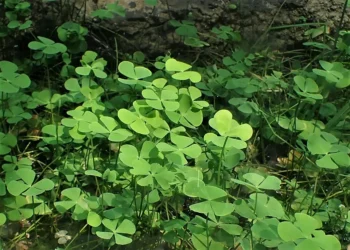
Nardoo (Marsilea crenata): The Clover-Like Water Fern That’s Making Waves
Meet nardoo, a quirky little aquatic fern that looks more like a four-leaf clover than your typical fern! Also known as false pepperwort, Marsilea crenata is turning heads in water gardens across Hawaii and beyond. But before you dive in and add this unique plant to your aquatic landscape, let’s explore what makes this water-loving fern tick.
What Exactly Is Nardoo?
Don’t let the clover-like appearance fool you – nardoo is actually a perennial fern that’s perfectly at home in wet environments. Unlike the ferns you might find in your shady garden corners, this little beauty is what botanists call an obligate wetland plant, meaning it almost always occurs in wetlands and thrives in constantly moist conditions.
As a forb (a vascular plant without woody stems), nardoo forms low-growing carpets with its distinctive four-leaflet fronds that can either float on the water’s surface or emerge above it, creating an enchanting carpet-like effect in water gardens.
Where Does Nardoo Come From?
Originally hailing from Australia and parts of Asia, nardoo has found a new home in Hawaii, where it has naturalized and now reproduces on its own in the wild. Currently, Hawaii is the only U.S. state where you’ll find established populations of this water fern.
- Species observed
- No observations
The Good, The Bad, and The Wet
So, should you consider nardoo for your water garden? Here’s the scoop:
Why You Might Love It:
- Creates stunning carpet-like coverage in shallow water
- Unique four-leaf clover appearance adds visual interest
- Thrives in challenging wetland conditions where other plants struggle
- Low-maintenance once established
- Perfect for bog gardens and pond edges
Things to Consider:
- Can spread rapidly in ideal conditions
- Requires consistently wet conditions – not drought tolerant
- Limited wildlife benefits compared to native alternatives
- Only suitable for very warm climates (USDA zones 9-11)
Growing Nardoo Successfully
If you’re in a warm climate and have the right wet conditions, here’s how to grow nardoo:
Ideal Growing Conditions:
- Light: Full sun to partial shade
- Water: Constantly moist to submerged conditions
- Soil: Nutrient-rich, saturated soils or shallow water
- Temperature: Warm temperatures year-round (zones 9-11)
Planting and Care Tips:
- Plant in shallow water (1-6 inches deep) or saturated bog soil
- Space plants 6-12 inches apart – they’ll fill in quickly
- Ensure consistent moisture – never let it dry out
- Monitor spread in small ponds as it can become aggressive
- No fertilizer needed in nutrient-rich pond environments
Perfect Garden Settings
Nardoo shines in:
- Water gardens and ornamental ponds
- Bog gardens and rain gardens
- Shallow areas of natural ponds
- Wetland restoration projects
- Container water gardens
Consider Native Alternatives
While nardoo isn’t considered invasive, you might want to explore native wetland plants that provide similar aesthetic appeal but offer greater benefits to local wildlife. Consider researching native sedges, rushes, or other wetland plants that are indigenous to your specific region.
The Bottom Line
Nardoo is a fascinating aquatic fern that can add unique texture and coverage to water gardens in warm climates. While it’s not native to the U.S., it’s not currently considered problematic either. If you have the right wet conditions and live in a warm climate, it can be a beautiful addition to your aquatic landscape. Just keep an eye on its spread and consider native alternatives that might provide even greater benefits to your local ecosystem.
Remember, successful water gardening is all about matching the right plant to the right conditions – and nardoo definitely knows what it likes!