Narrowleaf Plantain Lily: A Graceful Shade Perennial for Your Garden
If you’re looking for an elegant perennial that thrives in those tricky shady spots, the narrowleaf plantain lily (Hosta lancifolia) might just be the plant you’ve been searching for. This charming perennial brings both beautiful foliage and lovely flowers to areas where many other plants struggle to perform.
What Makes This Plant Special
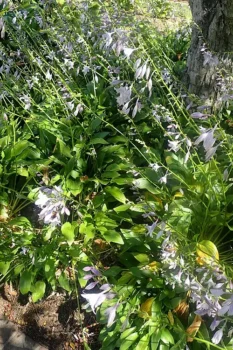
The narrowleaf plantain lily stands out from its hosta cousins with its distinctive narrow, lance-shaped leaves that give it its common name. Unlike the broad, heart-shaped leaves of many hostas, this species features slender foliage with prominent veining that creates an almost architectural look in the garden. In late summer, it produces spikes of purple or lilac tubular flowers that rise above the foliage, adding a delightful vertical element to your shade garden.
Where It Comes From
Originally native to Japan and Korea, this perennial has made itself quite at home in parts of the United States. You’ll find established populations growing wild in Connecticut, Illinois, Maryland, New Jersey, New York, Ohio, and Pennsylvania, where it has naturalized and reproduces on its own.
- Species observed
- No observations
Why You Might Want to Grow It
There are several compelling reasons to consider adding narrowleaf plantain lily to your garden:
- Thrives in shade where many other perennials struggle
- Provides interesting textural contrast with its narrow leaves
- Produces attractive flowers that pollinators appreciate
- Hardy and reliable once established (zones 3-9)
- Works well in containers, borders, or naturalized settings
- Low maintenance once established
Perfect Garden Spots
This versatile perennial shines in several garden settings. It’s particularly wonderful in woodland gardens, where its narrow foliage creates a nice contrast to broader-leafed plants. Consider using it along shaded borders, in containers on covered patios, or as a specimen plant in areas that receive partial to full shade. It also works beautifully when allowed to naturalize in less formal garden areas.
Growing Conditions That Make It Happy
Like most hostas, the narrowleaf plantain lily appreciates:
- Partial to full shade (morning sun is okay, but avoid hot afternoon sun)
- Moist, well-draining soil
- Rich, organic soil when possible
- Protection from strong winds
- Consistent moisture, especially during dry spells
Planting and Care Tips
Getting your narrowleaf plantain lily established is pretty straightforward. Plant it in spring after the last frost, spacing plants about 18-24 inches apart. Dig a hole twice as wide as the root ball and plant at the same depth it was growing in the container.
Once established, care is minimal. Apply a layer of mulch around the plants to help retain moisture and suppress weeds. Water regularly during the first growing season, and continue to provide supplemental water during dry periods. Every 3-4 years, you can divide clumps in early spring to maintain vigor and create new plants.
Watch out for slugs and snails, which can be problematic for all hostas. Copper barriers, diatomaceous earth, or organic slug baits can help protect your plants.
A Word About Native Alternatives
While narrowleaf plantain lily is a lovely garden plant that’s not considered invasive, you might also consider native alternatives that provide similar benefits to local wildlife. Wild ginger (Asarum canadense), coral bells (Heuchera species), and native ferns can offer beautiful foliage and similar growing requirements while supporting local ecosystems.
The Bottom Line
The narrowleaf plantain lily is a reliable, attractive choice for shade gardens. Its unique narrow foliage, lovely flowers, and easy-going nature make it a worthwhile addition to gardens where you want something a little different from the typical broad-leafed hosta. Just remember to keep those slugs at bay, and you’ll have a beautiful perennial that returns year after year with minimal fuss.