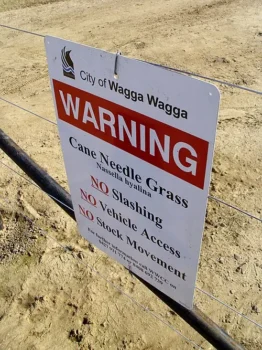
Nassella hyalina: The Mysterious Grass That Gardeners Should Approach with Caution
If you’ve stumbled across the name Nassella hyalina in your plant research, you’re probably scratching your head right about now. Don’t worry – you’re not alone! This enigmatic grass species is one of those botanical mysteries that even experienced gardeners and native plant enthusiasts find puzzling.
What We Know (And What We Don’t)
Nassella hyalina belongs to the grass family (Poaceae) and was formerly classified under the name Stipa hyalina. Beyond these basic botanical facts, reliable information about this species is remarkably scarce. We don’t have clear data on its common names, native range, growth habits, or garden performance – which is unusual for a plant that’s been scientifically described.
The Problem with Plant Mysteries
Here’s the thing about mysterious plants like Nassella hyalina: the lack of readily available information often signals one of several possibilities:
- It might be an extremely rare species with limited distribution
- It could be a regional endemic that’s only found in very specific locations
- The plant might have been reclassified or merged with another species
- It may simply be poorly documented in horticultural literature
Without knowing its native status, invasive potential, or rarity level, it’s impossible to determine whether this grass would be appropriate for home gardens.
Why This Matters for Your Garden
As responsible gardeners, we should be cautious about planting species with unknown backgrounds. Here’s why:
- Unknown native status means we can’t be sure we’re supporting local ecosystems
- Unclear invasive potential could lead to unintended ecological problems
- If the plant is rare, harvesting it inappropriately could harm wild populations
- Without growing information, success in your garden would be pure guesswork
Better Alternatives for Native Grass Lovers
Instead of gambling with the mysterious Nassella hyalina, consider these well-documented native grass options that will definitely benefit your local ecosystem:
- Little bluestem (Schizachyrium scoparium) – beautiful fall color and excellent wildlife value
- Buffalo grass (Poaceae species native to your region) – low maintenance and drought-tolerant
- Native fescues appropriate for your area – versatile and reliable
- Switchgrass (Panicum virgatum) – architectural beauty with exceptional wildlife benefits
The Bottom Line
While botanical mysteries like Nassella hyalina can be intriguing, they’re not the best choice for most home gardens. Without clear information about its native range, growing requirements, and ecological impact, this grass falls into the proceed with extreme caution category.
If you’re absolutely determined to learn more about this species, consider reaching out to botanical institutions, native plant societies, or university extension programs in your area. They might have access to specialized databases or regional knowledge that could shed light on this enigmatic grass.
For now, though, your garden – and your local ecosystem – will be much better served by choosing well-documented native grasses that we know will thrive and provide genuine ecological benefits. Save the botanical detective work for the professionals, and stick with the tried-and-true natives that will make your garden both beautiful and beneficial!