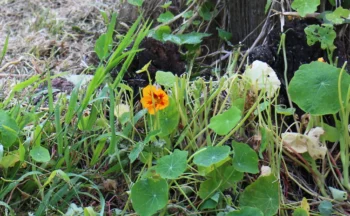
Nasturtium: A Cheerful Non-Native Annual for Your Garden
If you’re looking for a splash of vibrant color and some edible excitement in your garden, nasturtium (Tropaeolum majus) might just be the plant for you. This cheerful South American native has been winning over gardeners worldwide with its bright flowers and peppery, edible leaves and blooms. But before you plant, let’s dive into what makes this annual herb tick and whether it’s the right fit for your landscape.
What Exactly Is Nasturtium?
Nasturtium is an annual forb herb, which simply means it’s a soft-stemmed plant without woody tissue that completes its life cycle in one growing season. Originally from South America, this non-native species has naturalized in various parts of the United States, reproducing on its own in the wild in places like Hawaii, California, and several northeastern states.
You’ll find nasturtiums growing in California, Hawaii, Massachusetts, New Hampshire, New York, Pennsylvania, Virginia, Guam, Puerto Rico, and U.S. Minor Outlying Islands, where they’ve established themselves as persistent garden escapees.
- Species observed
- No observations
The Visual Appeal: Why Gardeners Love Nasturtiums
Nasturtiums are showstoppers when it comes to garden aesthetics. Their trumpet-shaped flowers come in brilliant shades of orange, yellow, and red, creating a sunset palette that’s hard to ignore. The round, shield-shaped leaves provide an attractive backdrop, resembling tiny lily pads scattered across the ground or trailing over walls.
These plants have a trailing or climbing habit, making them perfect for:
- Cascading over retaining walls
- Filling in gaps in flower borders
- Climbing up trellises or fences
- Spilling out of containers and hanging baskets
Garden Roles and Landscape Uses
Nasturtiums shine in cottage gardens, vegetable plots, and informal landscape settings. They’re particularly beloved in edible landscaping because both the flowers and leaves are completely edible, adding a peppery kick to salads and garnishes. Their informal, slightly wild appearance makes them perfect for relaxed garden styles rather than formal, manicured landscapes.
Growing Conditions and Care
Here’s where nasturtiums really earn their keep – they’re remarkably easy to grow! These plants actually prefer poor to average soil conditions and can struggle in overly rich soil, which tends to produce more leaves than flowers.
For best results, provide:
- Full sun to partial shade (at least 6 hours of sunlight daily)
- Well-draining soil
- Moderate watering (they’re somewhat drought-tolerant once established)
- Poor to average soil fertility (skip the fertilizer!)
Nasturtiums are classified as Obligate Upland plants in most regions, meaning they almost never occur in wetlands and prefer drier conditions. Only in Hawaii do they show more tolerance for occasionally moist conditions.
USDA Hardiness and Planting Tips
As annuals, nasturtiums will complete their life cycle in one season in most climates, though they may overwinter in USDA zones 9-11. The good news? They’re incredibly easy to start from seed.
Planting tips for success:
- Direct sow seeds in spring after the last frost
- Plant seeds about ½ inch deep
- Space plants 8-12 inches apart
- Seeds typically germinate in 7-14 days
- Deadhead spent flowers to encourage continued blooming
Benefits for Pollinators and Wildlife
While we don’t have specific data on nasturtiums’ wildlife benefits, these colorful flowers are known to attract bees, butterflies, and even hummingbirds with their nectar-rich blooms. The bright colors and accessible flower shape make them pollinator-friendly additions to the garden.
Should You Plant Nasturtiums?
Nasturtiums offer several compelling reasons to include them in your garden: they’re easy to grow, provide edible flowers and leaves, attract pollinators, and add vibrant color throughout the growing season. Since they’re not listed as invasive or noxious, they can be grown responsibly in most areas.
However, as a non-native species, you might consider pairing them with or substituting native alternatives that provide similar benefits to local ecosystems. Native plants that offer comparable aesthetic appeal and pollinator benefits include wild bergamot, native sunflowers, or regional wildflower mixes suited to your area.
Whether you choose nasturtiums as a colorful annual addition or explore native alternatives, the key is creating a garden that brings you joy while supporting the local environment. These cheerful South American immigrants certainly know how to put on a show – just remember to deadhead those spent blooms to keep the party going all season long!