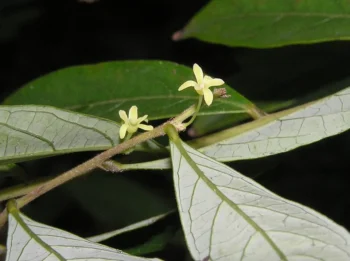
Needlebush (Glochidion puberum): A Lesser-Known Shrub Worth Understanding
If you’ve stumbled across the name needlebush in your gardening research, you might be scratching your head wondering what exactly this plant is all about. Glochidion puberum, commonly known as needlebush, is one of those plants that doesn’t get much attention in typical gardening circles—and there are some good reasons for that.
What Is Needlebush?
Needlebush is a perennial shrub that belongs to the Phyllanthaceae family. This multi-stemmed woody plant typically grows to heights of 13-16 feet, though it can sometimes reach taller heights or develop a single stem depending on environmental conditions. Like many shrubs, it sends up several stems from or near ground level, creating that classic bushy appearance we associate with shrubby plants.
Where Does Needlebush Come From?
Here’s where things get interesting (and a bit concerning from a native gardening perspective): needlebush isn’t actually native to North America. It’s an introduced species that has managed to establish itself and reproduce on its own in the wild. Currently, it’s been documented growing in Alabama, where it has naturalized without human assistance.
- Species observed
- No observations
Should You Plant Needlebush in Your Garden?
This is where we need to have an honest conversation. While needlebush isn’t currently listed as invasive or noxious, the truth is we don’t know enough about its long-term ecological impact to give it a hearty recommendation. When a non-native plant successfully naturalizes in the wild, it raises questions about how it might affect local ecosystems over time.
Here’s what we’re missing when it comes to needlebush:
- Its impact on local wildlife and pollinators
- Its preferred growing conditions and care requirements
- Its potential to spread or become problematic
- Its ornamental value in garden settings
Better Alternatives for Your Garden
Given the uncertainties surrounding needlebush, why not consider some fantastic native alternatives that will definitely benefit your local ecosystem? Depending on your location and growing conditions, you might explore native shrubs that provide similar height and structure, such as:
- Native elderberry species for wildlife value
- Native viburnums for multi-season interest
- Regional native shrubs specific to your area
The Bottom Line
Sometimes the most responsible approach to gardening is admitting when we don’t know enough about a plant to recommend it confidently. Needlebush falls into this category—a naturalized shrub with too many unknowns to make it a smart choice for conscientious gardeners.
If you’re committed to creating a garden that supports local wildlife and ecosystems, your best bet is to stick with well-researched native plants that have proven track records of providing ecological benefits. Your local native plant society or extension office can help you identify the best native shrub options for your specific area and growing conditions.
Remember, every plant choice we make in our gardens is a vote for the kind of landscape we want to see in the future. When in doubt, choose native!