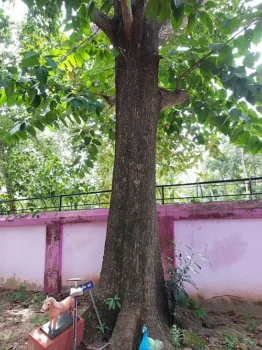
Neolamarckia: A Mysterious Tree Worth Questioning
If you’ve stumbled across the name neolamarckia in your gardening research, you’re probably scratching your head right about now. Don’t worry – you’re not alone! This perennial tree species is something of an enigma in the plant world, and there are some important things every gardener should know before considering it for their landscape.
What Exactly Is Neolamarckia?
Neolamarckia is a perennial tree that typically grows as a single-stemmed woody plant, reaching heights greater than 13-16 feet under normal conditions. Like many trees, it can sometimes develop multiple stems or stay shorter than usual depending on environmental factors. Think of it as nature’s way of adapting to whatever life throws its way!
Where Does It Grow?
Currently, neolamarckia is documented as growing in Puerto Rico, where it’s established itself as a non-native species. This tree has managed to reproduce spontaneously in the wild without human intervention, which means it’s found its groove in Puerto Rican ecosystems.
- Species observed
- No observations
The Big Question: Should You Plant It?
Here’s where things get tricky, and frankly, a bit concerning. While neolamarckia isn’t currently listed as invasive, there’s a troubling lack of information about this tree species. We don’t know:
- Its true native range
- Specific growing requirements
- Potential environmental impacts
- Benefits to local wildlife
- Appropriate hardiness zones
When a plant species has this many unknowns, especially one that’s already establishing itself in non-native territories, it’s time to pump the brakes.
A Better Path Forward
Instead of taking a gamble with neolamarckia, why not explore native tree options for your area? Native trees offer so many advantages:
- They’re perfectly adapted to local conditions
- They support native wildlife and pollinators
- They typically require less maintenance once established
- They won’t surprise you with unwanted spreading behavior
If you’re gardening in or near Puerto Rico, consider researching native Puerto Rican trees that can provide similar height and structure to what you might expect from neolamarckia.
The Bottom Line
Sometimes in gardening, the most responsible choice is to say thanks, but no thanks to a plant that comes with too many question marks. Neolamarckia falls squarely into this category. With so many wonderful, well-documented native alternatives available, there’s simply no compelling reason to choose a mystery tree that’s already showing signs of establishing itself where it doesn’t naturally belong.
Your garden – and your local ecosystem – will thank you for choosing plants with known benefits and predictable behavior. After all, the best gardens are built on knowledge, not guesswork!