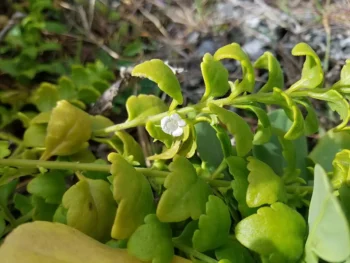
Nesogenes: The Mystery Plant You Can’t Actually Grow
If you’ve stumbled across the botanical name Nesogenes while researching native plants, you’ve discovered one of gardening’s best-kept secrets – and by best-kept, we mean practically non-existent in the gardening world. This perennial forb is so rare and obscure that it might as well be a botanical unicorn.
What We Know (Which Isn’t Much)
Nesogenes is a genus in the mint family (Lamiaceae) that exists as a perennial forb – essentially an herbaceous plant without woody stems. Unlike the robust herbs you might know from this family, like basil or oregano, Nesogenes species are found only in extremely remote locations and have virtually no presence in cultivation.
This mysterious genus has perennating buds at or below ground level, meaning it can survive harsh conditions by retreating underground, only to emerge when conditions improve. It’s like nature’s version of a hermit – occasionally showing up, but preferring to stay hidden.
Geographic Distribution and Native Status
Here’s where things get really mysterious. The geographic distribution of Nesogenes remains largely unknown, with species documented from remote Indian Ocean islands. The native status is undefined, which in botanical terms usually means the plant is either extremely localized or there’s insufficient data to make determinations.
Why You Can’t (And Shouldn’t Try to) Grow Nesogenes
Let’s be honest – you’re not going to find Nesogenes at your local nursery, and there’s a good reason for that:
- Commercial availability: Essentially zero
- Growing requirements: Unknown and likely very specific
- Hardiness zones: Undocumented
- Propagation methods: Not established
- Care instructions: Non-existent
The rarity and lack of cultivation information suggest that even if you could obtain seeds or plants, successfully growing them would be nearly impossible without specialized knowledge of their native habitat conditions.
Better Alternatives for Your Garden
Instead of chasing botanical ghosts, consider these readily available native alternatives from the mint family:
- Wild bergamot (Monarda species) – attracts pollinators and has lovely blooms
- Native mints (Mentha species) – great ground covers with aromatic foliage
- Self-heal (Prunella vulgaris) – low-growing with purple flower spikes
- Skullcap species (Scutellaria) – delicate flowers and interesting seed heads
These plants offer the herbaceous charm you might be seeking from Nesogenes, but with the added benefit of actually being growable!
The Takeaway
Nesogenes serves as a reminder that the plant kingdom still holds many mysteries. While we can’t invite this elusive genus into our gardens, we can appreciate that there are still botanical secrets waiting to be fully understood. Sometimes the most interesting plants are the ones we can only admire from afar – or in this case, in obscure botanical references.
For your actual gardening needs, stick with well-documented native plants that will thrive in your specific region. Your local extension office or native plant society can help you identify mint family natives that will actually flourish in your garden, rather than leaving you wondering if that empty spot in your flowerbed once held a mythical Nesogenes.