New Zealand Flax: A Bold Architectural Plant for Your Garden
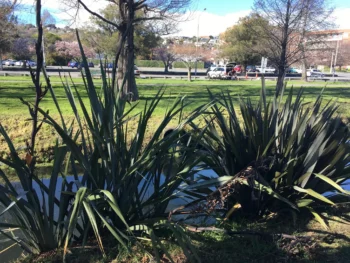
If you’re looking to add some serious drama to your landscape, New Zealand flax (Phormium tenax) might just be the showstopper you’ve been searching for. With its massive sword-like leaves and impressive stature, this perennial herb brings an unmistakable architectural presence to any garden space.
What Makes New Zealand Flax Special?
New Zealand flax is a striking perennial that forms large clumps of tough, leathery leaves that can reach 6-10 feet in both height and width. The bronze-green foliage creates a bold focal point, while tall flower spikes emerge in summer, displaying tubular red flowers that birds absolutely love.
Despite its common name suggesting it’s a true flax, this plant is actually classified as a forb herb – essentially a vascular plant without woody tissue that keeps its growing points at or below ground level.
Where Does It Come From?
As the name suggests, New Zealand flax hails from New Zealand, where it’s an important native species. However, it’s worth noting that in the United States, this plant is considered non-native. Currently, it’s found growing in Hawaii, where it has naturalized and reproduces on its own in the wild.
- Species observed
- No observations
Should You Plant New Zealand Flax?
This is where things get interesting. While New Zealand flax isn’t native to most of the United States, it’s also not currently listed as invasive in most areas. However, since it’s established itself in Hawaii’s wild spaces, it’s worth considering native alternatives that could provide similar benefits to local ecosystems.
If you’re set on the dramatic look that New Zealand flax provides, consider these native alternatives:
- Yucca species for southwestern gardens
- Native iris species for wetland areas
- Coastal agave for Mediterranean climates
Perfect Garden Settings
New Zealand flax shines in:
- Mediterranean and drought-tolerant landscapes
- Coastal gardens (it’s quite salt-tolerant)
- Contemporary and modern garden designs
- As a specimen plant or focal point
- Mixed perennial borders where you need height and structure
Growing Conditions and Care
The good news? New Zealand flax is relatively low-maintenance once established. Here’s what it needs to thrive:
Light: Full sun to partial shade (though it performs best with plenty of sunshine)
Soil: Well-draining soil is essential – this plant doesn’t like wet feet
Water: Drought tolerant once established, but appreciates regular watering during its first year
Climate: Hardy in USDA zones 8-11, making it suitable for warmer regions
Wetland tolerance: Interestingly, this plant has a facultative wetland status, meaning it can handle both wet and dry conditions, though it generally prefers the drier side.
Planting and Care Tips
Getting your New Zealand flax off to a good start is pretty straightforward:
- Plant in spring when the soil has warmed up
- Give it plenty of space – remember, it can reach 10 feet wide!
- Water regularly during the first year to help establish roots
- After that, occasional deep watering is usually sufficient
- Minimal pruning needed – just remove spent flower stalks and any damaged leaves
- In colder zones, provide winter protection or grow in containers
Wildlife and Pollinator Benefits
One of the bright spots about New Zealand flax is its appeal to wildlife. Those dramatic red flower spikes are magnets for hummingbirds and can attract other pollinators as well. If you’re hoping to create a bird-friendly garden, the nectar-rich flowers certainly deliver on that front.
The Bottom Line
New Zealand flax is undeniably gorgeous and can add incredible structure to the right garden setting. While it’s not native to the U.S., it’s also not currently flagged as problematic in most areas. If you decide to grow it, you’ll get a low-maintenance plant that provides year-round interest and attracts birds to your garden.
That said, if you’re passionate about supporting native ecosystems, consider exploring native alternatives that can provide similar architectural drama while benefiting local wildlife. Either way, you’ll end up with a garden that’s anything but boring!