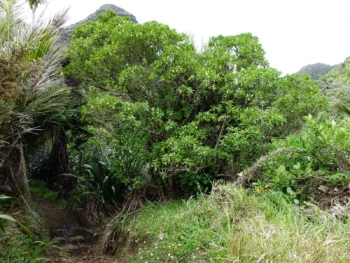
Ngaio Tree: A Hardy Coastal Shrub for Challenging Garden Spots
If you’re dealing with a tough garden spot—think salt spray, drought, or winds that would make other plants wave the white flag—the ngaio tree (Myoporum laetum) might just be your new best friend. This evergreen shrub has earned a reputation as one of the most resilient plants you can grow in challenging coastal conditions.
What Exactly Is a Ngaio Tree?
The ngaio tree is a perennial shrub that typically grows as a multi-stemmed woody plant, usually staying under 13 to 16 feet in height. Don’t let the word tree in its common name fool you—this is definitely more shrub than towering giant. It’s an evergreen that keeps its glossy, oval-shaped leaves year-round, making it a reliable presence in your landscape through all seasons.
Where Does It Come From?
Originally hailing from the coastal areas of New Zealand’s North and South Islands, the ngaio tree has found a new home in California, where it grows and reproduces on its own in the wild. While it’s not native to the United States, it has established itself as a naturalized resident in the Golden State.
- Species observed
- No observations
Why Gardeners Love (and Sometimes Question) This Plant
The ngaio tree is like that reliable friend who shows up no matter what the weather brings. Here’s what makes it appealing:
- Incredibly tolerant of salt spray—perfect for oceanfront properties
- Drought-resistant once established
- Dense, rounded growth provides excellent screening
- Small white flowers attract bees and other pollinators
- Purple berries add visual interest
- Thrives in USDA hardiness zones 9-11
However, since it’s not native to North America, you might want to consider native alternatives that provide similar benefits while supporting local ecosystems.
Growing Conditions That Make It Happy
The ngaio tree isn’t particularly fussy, but it does have its preferences:
- Sunlight: Full sun to partial shade
- Soil: Well-draining soils (it really doesn’t like wet feet)
- Water: Drought-tolerant once established, but appreciates regular watering during its first year
- Climate: Best in zones 9-11, handles coastal conditions beautifully
According to wetland classifications, this plant usually occurs in non-wetlands but may occasionally pop up in wetland areas in the Arid West. In Western Mountains, Valleys, and Coast regions, it almost never occurs in wetlands—so definitely not your go-to for rain gardens or boggy spots.
Perfect Garden Roles
The ngaio tree shines in several landscape situations:
- Mediterranean-style gardens
- Coastal landscapes where salt tolerance is crucial
- Xeriscapes and low-water gardens
- As a windbreak or privacy screen
- Low-maintenance landscapes
Planting and Care Tips
Getting your ngaio tree off to a good start is pretty straightforward:
- Plant in well-draining soil—this cannot be overstated
- Water regularly during the first growing season to help establish roots
- Once established, it’s remarkably drought-tolerant
- Prune as needed to maintain desired shape and size
- Very low maintenance once it gets going
Wildlife and Pollinator Benefits
The ngaio tree does offer some benefits to local wildlife. Its small white flowers provide nectar for bees and other small pollinators, and the purple berries can attract birds. However, since it’s not native, it won’t support the full range of local wildlife that native plants do.
Consider Native Alternatives
While the ngaio tree can be a useful plant in challenging conditions, consider these native alternatives that provide similar benefits:
- Ceanothus species (California lilac) for drought tolerance and pollinator appeal
- Arctostaphylos species (manzanita) for evergreen structure and wildlife benefits
- Baccharis pilularis (coyote brush) for coastal salt tolerance
The Bottom Line
The ngaio tree is a tough, reliable performer that can handle conditions that would stress many other plants. If you have a particularly challenging spot and need something that will survive and thrive with minimal fuss, it’s worth considering. Just remember that choosing native plants when possible helps support local ecosystems and wildlife. Whether you go with ngaio or a native alternative, you’ll have a much better chance of success if you match the plant to your specific growing conditions.