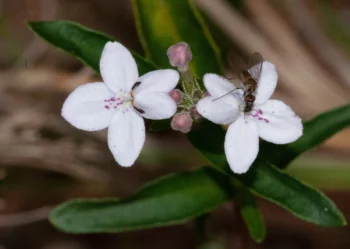
Night and Afternoon Plant: A Quirky Addition to Warm Climate Gardens
Meet the charmingly named night and afternoon plant (Pseuderanthemum variabile) – a perennial herb that sounds more like a poetry collection than a garden resident! This interesting little plant has been making itself at home in warm American climates, bringing its unique character to gardens from Florida to Hawaii.
What Makes Night and Afternoon Special?
The night and afternoon plant is what botanists call a forb – basically a soft-stemmed perennial that doesn’t develop woody tissue like shrubs or trees. Think of it as nature’s version of a friendly herbaceous neighbor that comes back year after year without the drama of woody plants.
This plant goes by the scientific name Pseuderanthemum variabile, and you might occasionally see it listed under old names like Pseuderanthemum fasciculatum or Pseuderanthemum praecox in older gardening references.
Where Does It Call Home?
Originally from tropical regions of the Americas, the night and afternoon plant has become a naturalized resident in several U.S. locations. You’ll find established populations in Florida, South Carolina, Hawaii, and Puerto Rico, where it has proven quite adaptable to local conditions.
- Species observed
- No observations
Is It Right for Your Garden?
Here’s the straight scoop on whether this plant deserves a spot in your landscape:
The Good News
- Hardy perennial that returns each year
- Attractive variegated foliage adds visual interest
- Purple and white flowers provide seasonal color
- Works well as ground cover or border plant
- Relatively low-maintenance once established
Things to Consider
- Non-native species that may self-seed
- Limited to warm climate zones (USDA 9-11)
- May not provide significant wildlife benefits compared to native alternatives
Growing Conditions and Care
The night and afternoon plant is refreshingly easygoing about its growing conditions:
- Climate: Thrives in USDA hardiness zones 9-11
- Light: Partial shade to full sun
- Soil: Well-draining soil of average fertility
- Water: Moderate watering needs
- Maintenance: Minimal care required once established
Wetland Tolerance
Interestingly, this plant’s relationship with water varies by region. In coastal areas, it can handle occasional wet conditions, while in places like the Caribbean, it strongly prefers drier, upland sites. In most locations, it typically grows in non-wetland areas but won’t throw a fit if it occasionally gets its feet wet.
Garden Design Ideas
The night and afternoon plant works beautifully in:
- Tropical and subtropical garden themes
- Mixed perennial borders
- Ground cover applications in warm climates
- Container gardens that can be protected in cooler areas
Consider Native Alternatives
While the night and afternoon plant can be a lovely addition to warm climate gardens, you might also consider native alternatives that provide similar aesthetic appeal while supporting local ecosystems. Native ground covers and herbaceous perennials in your region often offer better wildlife benefits and are naturally adapted to your local conditions.
The Bottom Line
The night and afternoon plant offers an easy-care option for gardeners in warm climates who appreciate unique foliage and flowers. While it’s not native to North America, it’s not considered problematic either – making it a neutral choice for gardeners who want something a little different. Just remember that if you’re in zones 8 and below, this tropical character will likely need protection or indoor overwintering to survive your winters.
Whether you choose to invite this quirky plant into your garden or opt for native alternatives, the most important thing is creating a landscape that brings you joy while being mindful of your local ecosystem!