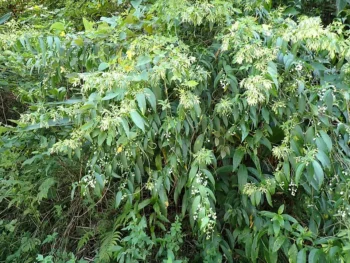
Night Jessamine: The Enchanting Evening Bloomer That Perfumes Your Garden After Dark
If you’ve ever caught a whiff of an intoxicating floral fragrance wafting through the evening air and wondered where it came from, you might have encountered night jessamine (Cestrum nocturnum). This captivating shrub, also known as night blooming jasmine, has earned its reputation as one of the most aromatic plants you can grow – but only after the sun goes down.
What Is Night Jessamine?
Night jessamine is a perennial shrub that typically grows 4-13 feet tall with multiple stems arising from the ground. Despite its common names suggesting a connection to jasmine, this plant belongs to an entirely different family. What it lacks in botanical relation to true jasmine, it more than makes up for in fragrance power.
The plant produces small, tubular, greenish-white flowers that might seem unremarkable during the day. But when darkness falls, these modest blooms release an incredibly potent, sweet fragrance that can perfume an entire garden. The flowers bloom repeatedly throughout the warm months, providing consistent evening entertainment for your nose.
Where Does Night Jessamine Grow?
Originally native to Central America and the Caribbean, night jessamine has found its way into gardens across warmer parts of the United States. You’ll currently find it growing in California, Florida, Georgia, Hawaii, Louisiana, Texas, Puerto Rico, and the U.S. Virgin Islands. The plant has naturalized in these areas, meaning it can reproduce and persist in the wild without human intervention.
- Species observed
- No observations
Is Night Jessamine Right for Your Garden?
Night jessamine thrives in USDA hardiness zones 8b through 11, making it suitable for tropical and subtropical climates. If you live in an area with regular frost, this plant isn’t for you unless you’re willing to grow it in containers and bring it indoors during cold snaps.
The plant strongly prefers upland conditions – it almost never occurs in wetlands and performs best in well-draining soil. In Hawaii, it shows slightly more tolerance for moisture than in other regions, but good drainage remains essential everywhere.
Growing Conditions and Care
Night jessamine is surprisingly easy to please once you understand its preferences:
- Light: Full sun to partial shade (at least 4-6 hours of direct sunlight)
- Soil: Well-draining soil of average fertility
- Water: Regular watering, but allow soil to dry between waterings
- Temperature: Frost-sensitive; protect from temperatures below 32°F
Planting and Care Tips
Plant night jessamine in spring after all danger of frost has passed. Choose a location where you can enjoy the evening fragrance – near patios, walkways, or bedroom windows are popular spots. Just be aware that the scent can be quite intense, so you might want to avoid planting it directly under windows if you’re sensitive to strong fragrances.
Regular pruning helps maintain an attractive shape and encourages more blooms. You can prune throughout the growing season, but avoid heavy pruning before cold weather arrives.
Garden Design and Landscape Role
Night jessamine works beautifully as:
- A specimen plant in evening or fragrance gardens
- Part of mixed shrub borders
- An informal hedge or privacy screen
- Container plantings for patios and decks
The plant pairs wonderfully with other evening bloomers and fragrant plants to create a sensory garden experience that comes alive after dark.
Wildlife and Pollinator Benefits
The night-blooming flowers of this shrub attract moths and other nocturnal pollinators, adding an element of nighttime wildlife activity to your garden. If you enjoy observing the secret life of your garden after dark, night jessamine can provide hours of entertainment as various night-flying insects visit the fragrant blooms.
A Word About Native Alternatives
While night jessamine can be a delightful addition to appropriate gardens, consider exploring native alternatives that might provide similar benefits while supporting local ecosystems. Depending on your region, native options might include evening primrose species, native honeysuckles, or other fragrant native shrubs that bloom in the evening.
The Bottom Line
Night jessamine offers an almost magical garden experience for those in suitable climates. Its incredible evening fragrance and easy care make it appealing to gardeners who want to create outdoor spaces that engage the senses beyond just visual appeal. Just remember that this plant packs a powerful aromatic punch – a little goes a long way in terms of fragrance impact!
If you’re in zones 8b-11 and love the idea of a garden that comes alive with fragrance after sunset, night jessamine might be worth considering. Just be prepared for neighbors to ask about that amazing smell floating over from your yard every evening!