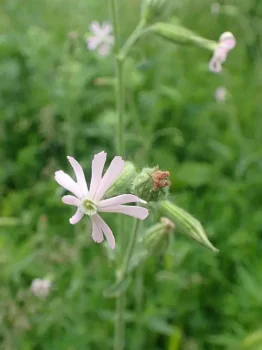
Nightflowering Silene: A Mysterious Night Bloomer for Your Garden
If you’re looking for a plant that adds a touch of mystery to your garden, nightflowering silene (Silene noctiflora) might catch your attention. This annual forb brings evening drama with its white flowers that open after dark, creating an enchanting nighttime display that’s quite different from your typical daytime bloomers.
What Is Nightflowering Silene?
Nightflowering silene is an annual forb that belongs to the carnation family. As a forb, it’s a non-woody plant that completes its entire life cycle in one growing season. You might also see it listed under its botanical synonym, Melandrium noctiflorum, in older gardening references.
This plant has an interesting story – it’s not native to North America, having originally called Europe and western Asia home. However, it has successfully established itself across a remarkably wide range, from Alaska and Canada all the way down through most U.S. states, thriving everywhere from California to Florida and from coast to coast.
- Species observed
- No observations
Why You Might Want to Grow Nightflowering Silene
There are several compelling reasons to consider this night-blooming beauty:
- Evening garden interest: The white flowers open at dusk and release a sweet fragrance, perfect for evening garden strolls
- Pollinator magnet: Night-flying moths and other nocturnal pollinators absolutely love these blooms
- Low maintenance: Once established, it requires minimal care and can handle poor soils
- Self-seeding: It readily self-sows, so you’ll likely have plants returning next year without any effort
- Unique timing: While most flowers close at night, this one is just getting started
Potential Drawbacks to Consider
Before you fall head over heels for this night bloomer, consider these points:
- Sticky situation: The stems and leaves are notably sticky, which some gardeners find off-putting
- Self-seeding enthusiasm: While some love the self-seeding trait, others might find it spreads more than desired
- Non-native status: As a non-native species, it doesn’t provide the same ecological benefits as indigenous plants
- Short bloom window: Each flower typically lasts just one night
Growing Conditions and Care
Nightflowering silene is refreshingly easy to grow, adapting to various conditions across USDA hardiness zones 3-9. Here’s what this adaptable annual prefers:
- Light: Full sun to partial shade
- Soil: Well-drained soils, including poor or sandy conditions
- Water: Moderate moisture, but quite drought tolerant once established
- Height: Typically grows 1-3 feet tall
Planting and Care Tips
Getting nightflowering silene started in your garden is straightforward:
- Direct sow seeds in spring after the last frost date
- Scatter seeds lightly and barely cover with soil
- Seeds germinate readily in cool, moist conditions
- Once established, the plants require minimal care
- Allow some plants to go to seed if you want them to return next year
Garden Design Ideas
Nightflowering silene works beautifully in:
- Cottage gardens where its informal habit fits right in
- Wildflower meadows and naturalized areas
- Moon gardens designed for evening enjoyment
- Areas near patios or windows where you can enjoy the evening fragrance
Native Alternatives to Consider
While nightflowering silene can be a charming addition to the right garden, you might also consider these native alternatives that offer similar benefits:
- Wild bergamot (Monarda fistulosa) – attracts night pollinators and has evening fragrance
- Evening primrose (Oenothera biennis) – another night bloomer with yellow flowers
- Four o’clock (Mirabilis multiflora) – opens in late afternoon and attracts night pollinators
The Bottom Line
Nightflowering silene offers a unique gardening experience with its nocturnal blooming habit and sweet evening fragrance. While it’s not native, it’s not considered problematic in most areas and can add interesting nighttime appeal to informal gardens. Whether you choose to grow it or opt for native alternatives, adding night-blooming plants to your garden opens up a whole new dimension of garden enjoyment after the sun goes down.
Just remember to take an evening stroll through your garden when these mysterious bloomers are putting on their nightly show – you might be surprised by the wildlife activity you discover in your after-dark garden!